The Sudden Shock: When a Normal Day Turns Upside Down
Getting rear-ended at a red light is terrifying, but the real nightmare usually starts the next morning when your phone rings. It's the other driver's insurance company, and they sound super friendly—but don't be fooled. They are actively looking for any excuse to lower your payout or deny your claim completely. I had to learn this the hard way after almost ruining my own case by casually saying the wrong things on a recorded call. Here is exactly how to outsmart their tricky system and get the money you actually need to fix your car without losing your mind.
I was recently scrolling through r/personalfinance on Reddit and saw a post that triggered my own PTSD from my crash. The sound of crunching metal is terrifying, but honestly, the real nightmare begins when you open your State Farm or Geico app to file a claim.
Your heart races, and you start wondering: How on earth am I going to pay for this? Will my insurance actually help, or will they find a sneaky loophole to deny it?
Dealing with robotic adjusters, decoding confusing legal jargon, and worrying about out-of-pocket deductibles can completely drain your mental peace. If you want to survive the car accident insurance claim process without losing your mind, you need to know their playbook. Many drivers lose sleep wondering if their monthly premiums were simply a waste of money.
They feel completely alone, fighting against a massive corporation that seems to hold all the cards. But you do not have to feel powerless in this situation.
Your Survival Guide Summary:
- Never say "I'm sorry" at the crash scene—insurance adjusters will use it as a legal admission of guilt.
- Always call the police to get an official report, even for tiny fender benders in a parking lot.
- Politely refuse to give a recorded audio statement to the other driver's insurance company.
- Do not sign the first medical release form or cash the initial settlement check without reading the fine print.
The Apology Trap: Why Being Polite Can Ruin Your Case
Most of us are raised to be polite. When we bump into someone at the grocery store, we immediately say, "I am so sorry." It is a natural human reaction to apologize when something goes wrong.
However, saying those three little words after a car accident is one of the most expensive errors you can ever make. Even if the crash was completely the other driver's fault, apologizing can destroy your case.
When you say you are sorry, the other driver might tell their insurance company that you admitted fault. Insurance adjusters are trained to look for any excuse to reduce your payout. They will use your polite apology as a legal admission of guilt.
Expert Insight:
Instead of apologizing, ask the other driver if they are okay. You can say, "Is anyone hurt?" or "Let me call an ambulance."
This shows empathy without accepting the blame. You must let the police and the insurance investigators figure out who caused the crash. Keep your emotions in check and focus entirely on gathering facts.
Skipping the Police Report: The Invisible Damage
Let us look at a very common scenario. You get into a minor fender bender in a parking lot. The other driver seems incredibly friendly.
They tell you that they do not want to involve the police because it will raise their insurance rates. They offer to pay for the damage out of their own pocket and give you their phone number.
You want to be helpful, so you agree and drive away. Two days later, you go to a mechanic and find out the repair will cost three thousand dollars. You call the friendly driver, but their phone number is completely disconnected.
Now, you have no police report, no official record of the crash, and no way to prove the other person was at fault. Your insurance company will likely refuse to cover the cost because you lack official documentation.
Always call the police, no matter how small the accident seems. A formal police report forces everyone to tell the truth. It provides an objective record of the weather conditions, the position of the vehicles, and the exact time of the incident.
The Photography Failure: How to Capture Bulletproof Evidence
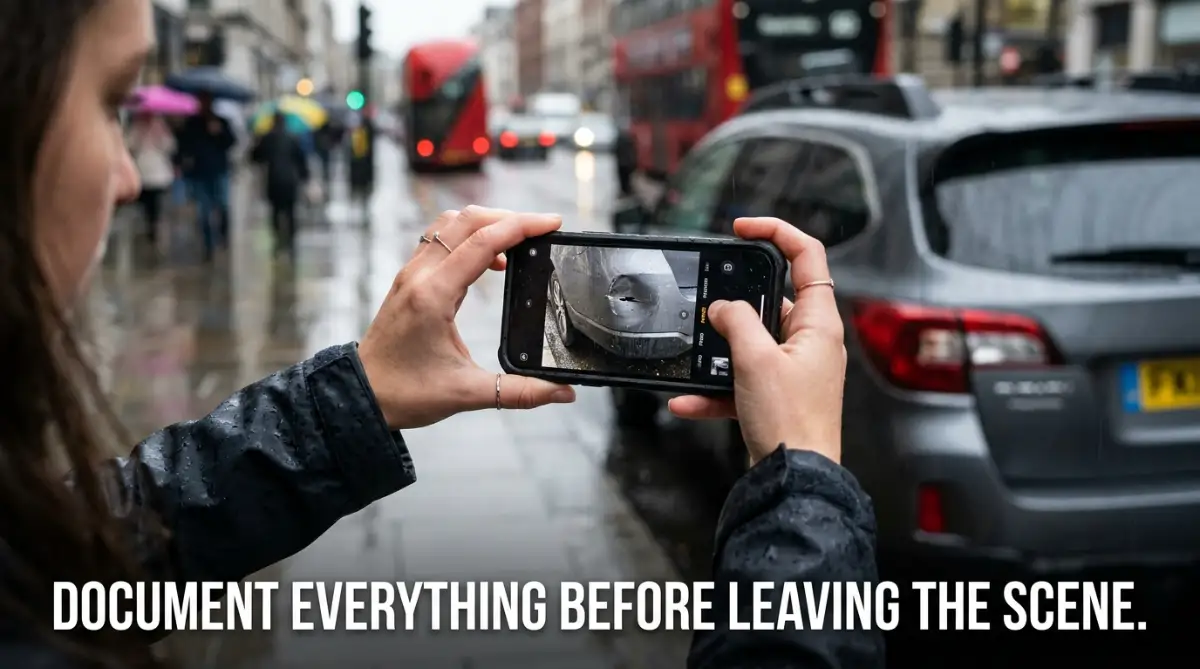
We all walk around with thousand-dollar iPhones in our pockets, yet we completely freeze up after a crash. When adrenaline is pumping, most people snap one or two blurry, shaking photos of their smashed headlight and think that is enough.
Insurance adjusters need a complete visual story, not a useless close-up of cracked paint. You need to channel your inner detective. Whip out your phone, switch to the wide-angle lens, and take a full 4K video of the entire intersection. Taking proper car accident photo evidence is the only way to stop the other driver from suddenly changing their story the next day.
Pro Tip for Accident Photography:
Make sure you capture the traffic signs, the skid marks on the road, and the position of both cars before they are moved. Take pictures of the other driver's license plate and their insurance card.
If there is broken glass on the street, photograph it. These small details paint a highly accurate picture for the adjuster sitting in an office hundreds of miles away. Proper evidence stops the other driver from lying about what happened.
At the Crash Scene: Quick Dos & Don'ts
- DO: Take wide-angle photos of the entire intersection, including skid marks and traffic signs.
- DO: Get the contact info of at least one independent witness before they drive away.
- DON'T: Say "I'm sorry" or apologize. Just ask, "Are you okay?" instead.
- DON'T: Agree to handle it without the police just because the other driver seems nice.
If you are unsure exactly what pictures you need to take after a crash to protect yourself, watch this short video below before reading on. It will show you the exact angles and hidden details that insurance adjusters secretly look for so you can build an unbeatable case!
The Chatty Victim: Navigating the Adjuster Minefield
Within a day or two of your accident, a claims adjuster from the other driver's insurance company will call you. They will sound incredibly warm, friendly, and deeply concerned about your well-being.
They might ask, "How are you feeling today?" If you casually reply, "I am feeling fine, just a little sore," you have just made a massive error.
The adjuster is taking detailed notes. If you say you feel fine, they will use that statement later to deny coverage for medical treatments. Back and neck injuries often take weeks to fully appear.
You might feel perfectly fine on Monday, but by Thursday, you cannot even turn your head. Never discuss your physical health with the other driver's insurance company during the early stages of a claim.
Simply tell them that you are currently seeking medical evaluation and you will discuss your injuries once your doctor provides a complete report. You are entirely in control of how much information you share.
Myth vs Reality: Recorded Statements
The Myth: You are legally required to give a recorded audio statement to the other driver's insurance company as soon as they ask for it.
The Reality: You have absolutely no legal obligation to provide a recorded statement to the opposing insurance company.
Adjusters push for recorded statements because they want to lock you into a specific version of events. When you are stressed and confused, you might mix up your words.
You might guess the speed you were traveling instead of stating the facts. These tiny inconsistencies give them the perfect reason to lower your settlement. Always consult with a legal professional before allowing anyone to record your voice.
I actually made the huge mistake of chatting too casually with the other driver's insurance adjuster on the phone just because they sounded so friendly and caring. My biggest realization was that they were just taking careful notes to use my own words against me later to lower my payout! Now, I always refuse to give a recorded statement and only communicate through email so I have a solid paper trail of everything that is said.
The Silent Witness Problem
When a crash happens, traffic usually stops. Other drivers and pedestrians often see exactly what occurred.
However, most accident victims are too shocked to speak to these bystanders. By the time the police arrive, the witnesses have already driven away because they do not want to be late for work.
Independent witnesses are incredibly powerful. If the other driver lies and says you ran a red light, an independent witness can completely clear your name.
If someone stops to check on you, immediately ask for their name and phone number. You do not need them to stay for hours waiting for the police. Just getting their contact information can literally save your entire claim.
Premature Document Signing: The Lowball Trap
A week after the crash, you might receive a letter in the mail containing a check for a few thousand dollars. Along with the check, there is a document asking for your signature.
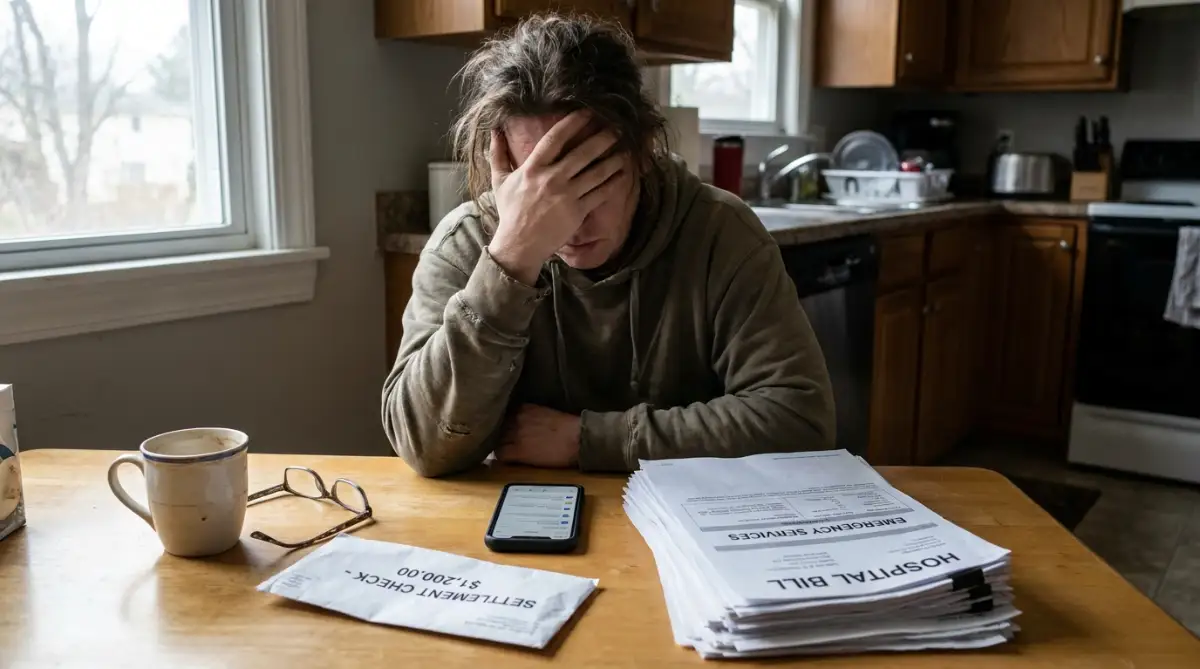
The insurance company will present this as a fast, easy way to put the accident behind you. They know you are worried about paying your rent and fixing your car. They use your financial anxiety against you.
If you sign that paper and cash that check, your case is permanently closed. You give up your right to ask for a single penny more.
What happens if your car needs additional hidden repairs? What happens if you need six months of physical therapy for your neck pain?
That quick check will not cover your long-term expenses. Never accept the very first offer an insurance company gives you.
The first offer is deliberately low. They are simply testing you to see if you are desperate enough to take the bait.
The Blanket Medical Release Error
Sometimes, the insurance company will send you a form called a "Medical Authorization Release." They will claim they need this to pay for your hospital visit after the crash.
If you do not read the fine print, you might accidentally give them full access to your entire medical history from the day you were born. Why do they want this?
They are searching for pre-existing conditions. If you hurt your back in the crash, they will look through your medical records from ten years ago to see if you ever complained about a backache.
If they find a single mention of a sore back from a decade ago, they will argue that the car crash did not cause your current pain. They will claim it is an old injury, completely denying your medical payout.
Never sign a blank medical release. If they need records, only provide the specific hospital documents directly related to the date of the car accident. Protect your privacy at all costs.
Lack of Organized Record Keeping
Filing a successful claim requires excellent organization. Many people scatter their documents everywhere.
They leave the police report on the kitchen table, the medical bills in the car glovebox, and the repair estimates in their email inbox. When the adjuster asks for proof, they panic and cannot find anything.
You need to treat this process like a business project. Buy a cheap physical folder. Put every single receipt, letter, and estimate inside it. Start a logbook. Every time you speak to an insurance agent on the phone, write down their name, the exact time of the call, and a summary of what you discussed.
If an agent promises to cover a rental car for two weeks, write it down. Having a detailed paper trail removes any chance of miscommunication. When an insurance company sees that you are highly organized, they are much less likely to play games with your settlement.
Your financial future depends on how carefully you handle these first few weeks. By avoiding these common errors, you put yourself in the strongest possible position to receive the maximum compensation you truly deserve.
Mastering the Payout Game: Insider Tactics You Need to Know
Navigating the aftermath of an unexpected car collision can feel like stepping into a complicated maze blindfolded. The opposing insurance company has teams of highly trained lawyers and adjusters working around the clock to protect their profit margins.
To level the playing field, you must start thinking exactly like an industry insider. Let us look at some highly effective, advanced strategies that can significantly increase your final settlement check.
Understanding the Mystery of Diminished Value
Most everyday drivers have absolutely no idea what a diminished value claim actually is. When your vehicle gets repaired after a bad crash, that damage goes on your car's permanent history report forever.
Even if a world-class mechanic did a flawless job making the car look brand new, your vehicle is now officially worth less money on the open market. If you try to sell that exact car tomorrow, buyers will demand a massive discount simply because of the accident history.
You actually have the legal right to ask the at-fault driver's insurance to pay you for this specific loss of value. Very few adjusters will ever offer this diminished value payout voluntarily. You must actively demand it in writing during your settlement negotiations.
Hire Your Own Independent Eyes
Insurance companies love to recommend their "preferred" auto repair shops. They will tell you that using their specific network of mechanics will make the process much faster and easier for you.
However, these specific repair shops often have special contracts with the insurance company. They are heavily pressured to find the absolute cheapest repair methods available. They might use low-quality aftermarket parts instead of original manufacturer equipment to save the insurance company money.
To protect your safety and your investment, you should always get a second opinion from an independent mechanic that you personally trust. According to consumer protection guidelines provided by the National Association of Insurance Commissioners, you have the absolute right to choose exactly who repairs your personal vehicle. Do not let anyone bully you into using a discount body shop.
Handling the Financial Waiting Game
Negotiating a fair settlement usually takes a lot of time. Sometimes, the opposing insurance company will deliberately drag their feet for months.
They do this on purpose, hoping you will get extremely tired and just accept a terribly low offer. While you wait for your rightful payout, your everyday living bills will keep piling up on the kitchen table.
You might need to cover out-of-pocket physical therapy expenses or pay for a long-term rental car yourself. During these highly stressful periods, finding alternative cash flow can literally save your entire case.
Instead of caving to a terrible settlement offer just because your credit card bills are piling up, lean on your emergency fund or borrow from family if absolutely necessary. I know it sucks, but desperation is the adjuster's best friend. When they realize you aren't going to take their first lowball check to pay your rent, they lose their biggest psychological leverage. Patience is your ultimate weapon during any car accident settlement negotiation.
Quick Q&A: Dealing with Stubborn Corporate Adjusters
Question : What should I exactly do if the adjuster completely stops returning my phone calls?
Answer: Stop calling their phone immediately and start putting every single thing in writing. Send a formal email or a certified physical letter outlining your demands and giving them a strict, reasonable deadline to respond. Written documentation forces them to take your case seriously because it creates a permanent legal trail.
Question : Can I actually negotiate the settlement amount they send me in the mail?
Answer: You can always negotiate their offers. The very first number they throw at you is essentially just a starting point for a longer conversation. Treat it exactly like buying a television at a flea market—you never accept the first asking price.
The Settlement Timeline: What to Actually Expect
- Days 1-3: You will get "check-in" calls. Keep your answers short and do not allow them to record your voice.
- Weeks 1-2: They might mail you a fast, lowball check. Do not sign or cash it if your physical therapy is still ongoing.
- Months 1-3: You should negotiate the final amount only after your doctor fully clears you and your car is completely repaired.
Never feel intimidated by their fancy corporate titles or confusing legal jargon. They are just regular everyday people doing a job for a company. If you present clear facts, solid photographs, and independent mechanic estimates, you easily command the entire negotiation.

Silent Traps That Can Destroy Your Case Overnight
Even if you follow all the right steps at the actual crash scene, your behavior in the weeks following the accident can still ruin everything. Normal people often sabotage their own financial claims without even realizing what they are doing. Let us carefully examine some of the most dangerous pitfalls that everyday drivers fall into.
The Instagram and TikTok Surveillance Trap
We all have that weird modern urge to trauma-dump online. After a scary crash, it is so tempting to post a quick Instagram Story of your smashed bumper or a TikTok update saying, "Just got rear-ended but I am doing perfectly fine guys!" Do not do this. It is a massive, incredibly expensive mistake. Adjusters will literally stalk your profiles. Posting on social media after a car accident gives them free ammunition to deny your medical claims by saying you weren't actually hurt.
Insurance investigators actively monitor the social media accounts of all accident victims. If you claim you have severe lower back pain, but they find a video of you lifting a heavy toddler at a birthday party three days later, they will immediately deny your medical coverage.
They will intentionally use your own personal photos and status updates completely out of context to make you look like a liar. The absolute best thing you can do is pause your social media activity entirely until your final settlement check safely clears the bank.
Ignoring the Hidden Mechanical Damage
Many normal people look at a small scratch on their rear bumper and assume the car is perfectly fine to drive. They decide not to file a formal claim because they think the repair will only cost a few dollars at a local shop.
However, modern vehicles are absolutely packed with highly sensitive computer sensors directly behind the plastic bumpers. A tiny physical bump can easily destroy an expensive blind-spot monitor or a complicated backup camera system.
What looks like a tiny cosmetic scratch can easily turn into a $3,000 electrical repair bill. Modern cars, especially if you drive something newer like a Tesla or a Honda with advanced safety features, have extremely sensitive parking sensors and backup cameras right behind that cheap plastic bumper. Ignoring this hidden car damage after an accident means you will be paying out of pocket when those electronics suddenly fail three months later.
Playing Tough with Your Physical Pain
After a sudden crash, a massive amount of adrenaline heavily floods your entire body. This natural chemical response temporarily masks the feeling of severe pain.
You might easily walk away from a violent collision feeling completely normal and energetic. Because they feel fine at that exact moment, many drivers politely refuse to see a medical doctor on the day of the accident.
They try to "tough it out" like a superhero when their neck starts feeling incredibly stiff two days later. This slight delay gives the insurance company a completely perfect excuse to deny paying your expensive medical bills.
They will aggressively argue that if you were truly hurt by their driver, you would have gone straight to the emergency room immediately. Safety experts at the National Highway Traffic Safety Administration heavily emphasize that extreme crash forces can easily cause internal injuries that remain completely invisible for several days. Always get a professional medical evaluation on the exact same day, even if you feel perfectly okay right then.
Your Personal Action Plan for Maximum Financial Safety
Surviving the messy aftermath of a crash is exhausting. It requires immense emotional patience, crazy good organization, and a basic understanding of your rights. But now, you are equipped with the insider knowledge to protect yourself from predatory corporate tactics.
Do Not Let Them Wear You Down
The endless back-and-forth email threads and unreturned voicemails from massive insurance companies are designed to frustrate you. They intentionally make the insurance claim process chaotic so you just give up and accept their crappy offer. I remember crying out of frustration after being put on hold for 45 minutes, but you cannot let them win. Once you know their dirty little tricks, the sudden delays and confusing paperwork stop being terrifying.
Your Immediate Protection Checklist
If you ever find yourself sadly standing on the side of a busy road after a crash, just take a very deep breath. Remember to keep your polite apologies completely to yourself and immediately call the local police dispatch.
Take clear, wide-angle photos of the entire intersection before the broken cars are ever moved. Politely but firmly refuse to give any recorded audio statements to the opposing corporate adjuster.
Most importantly, never blindly accept their very first lowball financial settlement offer. You faithfully pay your expensive insurance premiums every single month for a very specific reason.
You completely deserve to be made financially whole again after such a traumatic life event. Stand your ground confidently, gather your solid evidence, and bravely fight for the exact compensation that is rightfully yours today.
After everything I went through, the day I stopped letting insurance adjusters bully me on the phone was the day I finally got the payout I actually deserved. You have so much more power in this situation than you might think, so keep your records highly organized and do not let their sneaky corporate tactics scare you. I know exactly how stressful this feels right now, but I promise you have what it takes to win this fight and get your life back to normal!
Disclaimer: The information provided in this article is for educational and informational purposes only. It does not constitute formal legal, medical, or financial advice. Always consult with a qualified attorney or certified insurance professional regarding your specific auto claim or personal legal situation.