The Heartbreak of Constant Indoor Puddles
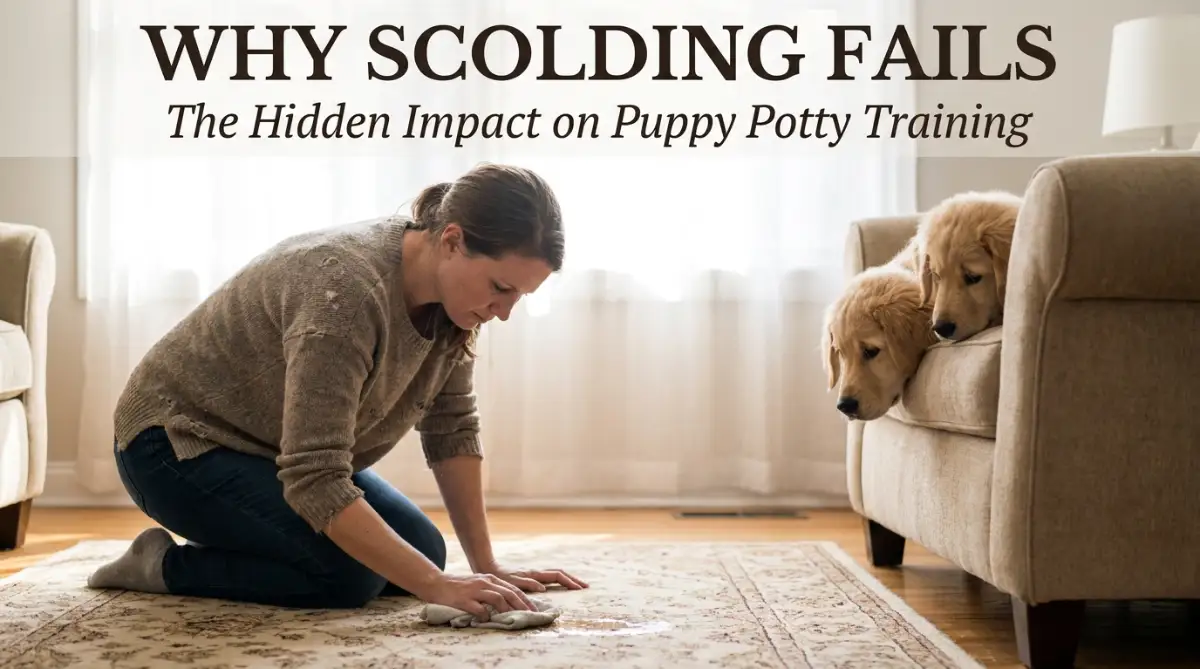
I remember staring at the wet stain on my expensive living room rug, feeling completely exhausted. My tiny golden retriever puppy, Max, was cowering behind the sofa, trembling with fear. I had just yelled at him for having an accident inside, thinking a stern voice would teach him a lesson.
Instead, my harsh reaction just made him terrified of me. The indoor accidents actually became more frequent after that day. I quickly realized that my anger was the exact thing ruining his potty habits.
That single moment of frustration taught me a harsh reality about how puppy brains actually work. Everyday people lose so much sleep over this exact struggle. You wake up in the middle of the night, step in a cold puddle, and your whole day is instantly ruined.
The constant smell of urine in your house can make you embarrassed to invite friends over. You start to feel completely disconnected from the pet you were so excited to bring home. It creates a toxic environment of anxiety for both you and your dog.
You find yourself constantly watching their every move, unable to just relax on your own couch. This heavy stress takes away all the joy of having a new furry family member. The good news is that we can easily fix this broken cycle.
Once you understand what goes through your puppy's mind, everything changes. You can rebuild that bond and finally enjoy a clean, accident-free home. Let us look at exactly how to turn this frustrating situation around.
How Fear Rewires Your Puppy’s Brain
When you scold your dog for peeing on the floor, you think you are teaching them that the living room is off-limits. However, a dog's brain does not process logic the same way human brains do. They do not associate your anger with the beautiful rug they just ruined.
Instead, they associate your anger with the physical act of going to the bathroom. They think, "Whenever I pee in front of my human, they turn into a scary monster." This creates a deep psychological fear of doing their natural business around you.
As a result, they start holding their bladder when you take them outside on a leash. They wait until you are not looking to relieve themselves in secret. This is exactly how the dreaded "sneaky pee" habit begins.
The Sneaky Pee Phenomenon Explained
Have you ever noticed your dog disappearing into a spare bedroom just to leave a mess? This is the direct result of punishment-based training methods. Your puppy is actively looking for a safe, hidden spot where you cannot yell at them.
They might choose behind the dining table, inside a dark closet, or under a guest bed. They are not doing this to be spiteful or mean. They are simply trying to survive what they view as an unpredictable, dangerous situation.
Every time they successfully hide their mess, that behavior gets reinforced in their brain. Breaking this habit requires a complete shift in how you react to accidents. You have to prove to them that going to the bathroom is a safe activity again.
I used to think rubbing a dog's nose in a mess was a normal training method because my grandfather did it. I quickly realized this just made my puppy think humans were completely unpredictable and dangerous. Always clean it up silently and move on with your day.
Reading the Silent Bathroom Signals
To prevent accidents, you have to become an expert at reading your dog's body language. Puppies give off very specific physical clues right before they need to go. If you miss these clues, an accident is practically guaranteed to happen.
They might start sniffing the ground intensely in tight circles. Some dogs will suddenly stop playing and stare blankly at a wall. Others might gently pace back and forth near a doorway.
When you see these signs, you have only seconds to react. Do not make sudden loud noises or grab them aggressively. Calmly clip on their leash and guide them to their designated bathroom spot.
If you want to master reading these hidden signs, you absolutely need to watch this quick demonstration. It shows you exactly what a puppy looks like seconds before an accident happens.
Building a Trust-Based Potty Schedule
A young dog cannot handle freedom until they understand the rules of the house. You need to establish a strict, predictable daily routine for them to follow. Predictability lowers their anxiety and helps their tiny bladder muscles adjust.
Take your puppy outside immediately after they wake up in the morning. Take them out again right after they finish a heavy play session. Most importantly, give them a bathroom break about ten to fifteen minutes after every meal.
When you take them outside, stand in one boring spot and wait. Do not turn this bathroom break into a fun playtime or a neighborhood walk. You want them to focus entirely on emptying their bladder.
The Magic of High-Value Rewards
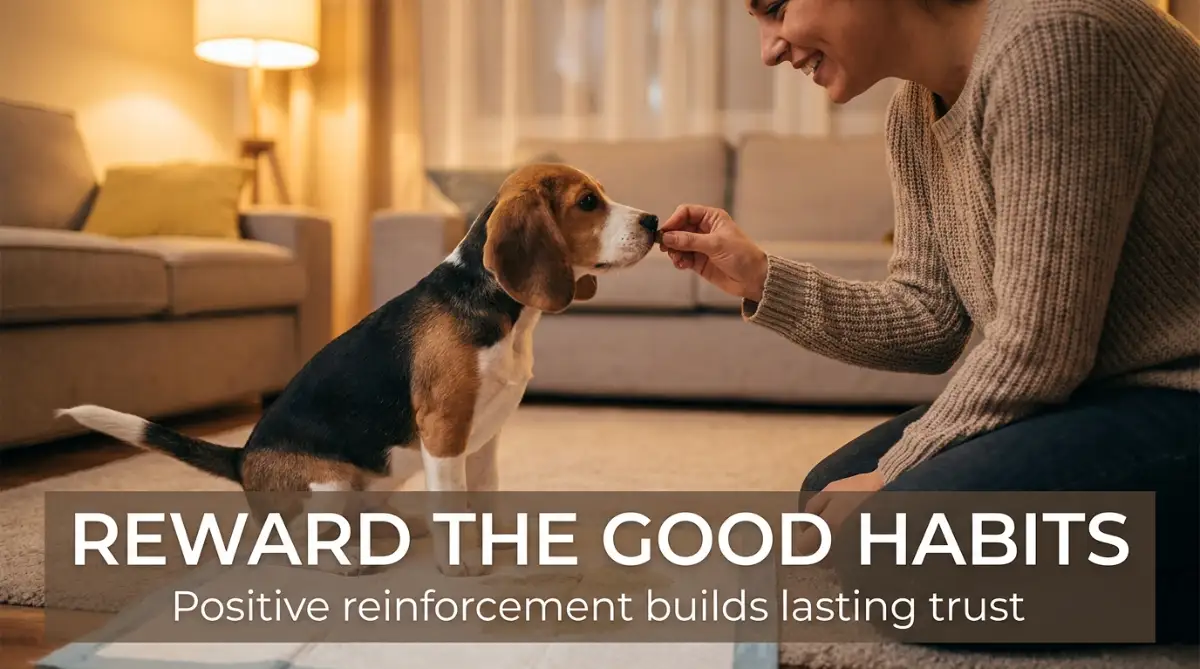
The fastest way to teach a dog anything is through positive reinforcement. When your puppy finally goes to the bathroom in the right spot, you need to throw a massive party. Offer intense praise, gentle petting, and a very special treat.
This treat should be something they only get for successful bathroom breaks. Small pieces of boiled chicken or freeze-dried liver work perfectly for this. The reward must be given within three seconds of them finishing the act.
If you wait until you walk back inside the house, they will think they are getting a treat for walking through the door. Timing is everything when building this new mental connection. Soon, they will actually want to pee outside just to get that delicious reward.
Handling Accidents Like a Professional
No matter how careful you are, accidents will still happen during the learning phase. How you handle these mistakes will determine your long-term success. If you catch your puppy in the middle of peeing, stay completely calm.
Make a sharp, brief sound like "Oops!" just to interrupt their focus. Gently scoop them up and immediately carry them outside to finish. If they finish outside, reward them heavily with treats and praise.
If you find a puddle after the fact, simply take a deep breath. Yelling at them ten minutes later does absolutely nothing because they have already forgotten what they did. Just quietly gather your cleaning supplies and take care of the mess.
The Importance of Eliminating Odors Completely
Dogs have incredibly powerful noses that dictate their behavior. If a spot on your carpet smells even slightly like urine, they will use it again. Normal household soaps and generic floor cleaners will not solve this problem.
Regular soap simply masks the smell with heavy perfumes that only fool human noses. You must use a specialized enzymatic cleaner designed specifically for pet waste. These cleaners contain active bacteria that literally eat the urine crystals deep in your carpet pad.
Soak the area thoroughly and let it sit for at least fifteen minutes. Once the odor is truly gone, your dog will no longer view that corner as an indoor toilet. This one simple change can instantly reduce the number of accidents in your home.
Managing Water Intake Smartly
Many owners struggle with overnight accidents because they leave the water bowl full all night. While your dog always needs access to fresh hydration, you can control the timing. Stop giving them heavy amounts of water about two hours before bedtime.
Let them have a small sip if they are panting, but remove the large bowl. Take them out for one final, long bathroom break right before you go to sleep. This ensures their bladder is completely empty for the long night ahead.
During the day, let them drink freely, but monitor how much they consume. If they drink an entire bowl after running outside, you know they will need a potty break very soon. Being proactive with their intake helps you predict exactly when they need to go out.
Transitioning from Pads to Real Grass
If you live in an apartment, you might be using indoor pee pads right now. Transitioning a dog from soft pads to outdoor grass can be a tricky process. They get used to the texture of the pad and refuse to go on dirt.
Start by moving the indoor pad closer and closer to your front door every day. Eventually, place the pad outside on the balcony or in the yard. Once they are comfortable going outside on the pad, start cutting the pad into smaller pieces.
Slowly expose more and more of the natural grass underneath. Patience is key here, as rushing this step will cause them to revert to indoor accidents. Eventually, remove the pad entirely, and they will happily use the grass.
Dealing with Stubborn Behavioral Setbacks
Sometimes a perfectly trained puppy will suddenly start having accidents again. This is incredibly frustrating, but it is actually a very normal part of their development. Teenage dogs often go through a regression phase where they test boundaries.
They might also be dealing with a hidden medical issue like a urinary tract infection. If the accidents happen suddenly, always visit your local veterinarian first to rule out pain. If their health is fine, just go back to the basic training steps.
Tighten up their schedule, reduce their free-roaming space, and increase the rewards. Never let your frustration make you revert to shouting or scolding. Consistency and calm leadership will always guide them back to the right path.
Creating a Safe Environment While You Work
You cannot watch your dog every single second of the day. When you need to cook dinner, answer emails, or leave the house, manage their space. Use a comfortable crate or a small playpen to keep them contained.
Dogs naturally do not want to soil the small area where they sleep and eat. A properly sized crate is one of the best tools for teaching bladder control. Make sure the crate is only big enough for them to stand up, turn around, and lie down.
If the space is too large, they will pee in one corner and sleep in the other. Never use the crate as a punishment zone after an accident. It should always be a happy, safe space filled with soft blankets and safe chew toys.
Taking Your Potty Training to the Next Level
Once you stop using fear and anger as training tools, you open the door to real communication with your dog. Now that they trust you, it is time to implement some expert-level strategies that professional trainers use daily. These hidden methods go far beyond just taking your dog outside every few hours.
When you apply these advanced techniques, you actually speed up the learning process by weeks or even months. You will stop guessing when your puppy needs to go and start relying on a solid, science-backed system. Let us explore exactly how to make your home completely accident-free.
Mastering the "Umbilical Cord" Strategy
One of the absolute best secrets in dog training is something called the umbilical cord method. This simply means keeping your puppy physically attached to you with a lightweight, six-foot leash while inside the house. When they are tethered to your waist, it is physically impossible for them to sneak off into another room to pee.
Because they are right next to you, you will instantly notice if they start sniffing the floor in circles. You can immediately redirect them outside before any accident happens. This method is incredibly helpful if you have a busy household and get easily distracted.
It also teaches your dog to follow your movements and pay attention to your daily rhythm. If you are struggling with a dog who easily gets scared, keeping them close can actually build their confidence. In fact, many experts suggest this exact method to naturally train an anxious dog without breaking their spirit.
Giving Your Puppy a Clear Voice
Right now, your puppy is probably staring at you and hoping you can read their mind. When they fail to communicate their needs, they just give up and use the living room floor. You can completely remove this guessing game by teaching them to ring a physical bell.
Hang a set of training bells on the doorknob of your main exit door. Every single time you take your puppy outside to pee, gently take their paw and ring the bells. Give them a tiny treat immediately after the bell rings, and then open the door.
Within a week or two, they will realize that ringing those bells magically opens the door to the bathroom. This empowers your dog to tell you exactly when they need to go out. It gives them a voice, completely eliminating the frustration on both sides of the relationship.
The Science of Canine Digestion Timing
Most ordinary pet owners simply feed their dog and then wait around hoping for the best. Professional trainers, on the other hand, treat their dog's stomach like a highly predictable clock. A puppy's digestive system is incredibly fast and operates on a very strict timeline.
According to various clinical guidelines published by veterinary medicine experts, a small puppy will usually need to empty their bowels within ten to thirty minutes after eating a meal. If you know exactly when food goes in, you can easily predict when waste needs to come out.
This is why leaving a bowl of food out all day is a massive mistake. If they snack constantly, they will need to use the bathroom constantly. Stick to three measured meals a day at the exact same times, and their bathroom schedule will become completely predictable.
Understanding the "Fake Out" Bathroom Trip
Have you ever stood outside in the cold for twenty minutes, only for your dog to immediately pee inside the second you walk through the door? This is a very common issue known as the outdoor fake-out. Your puppy simply got too distracted by outside smells and completely forgot they needed to empty their bladder.
They were busy watching a squirrel, sniffing the wind, or chewing on a stick. As soon as they return to the boring, quiet house, their brain suddenly remembers they have a full bladder. To fix this, you must make the bathroom area as boring as possible.
Put them on a short leash, stand completely still in the grass, and do not let them explore. If they do not go within five minutes, bring them back inside and place them directly in their crate. Wait exactly ten minutes, and then take them right back to that boring spot outside.
Tracking Habits Like a Professional
Memory is a funny thing, and humans easily forget exactly when their dog last went outside. You might think it has only been an hour, but it has actually been three hours. The best way to prevent accidents is to write everything down on paper or use a simple phone app.
Write down the exact time they eat, drink water, pee, and poop. After tracking this data for just four or five days, a clear natural pattern will emerge on the paper. You will notice they always need to pee right around 2:15 PM every single day.
You can then set an alarm on your phone for 2:10 PM to proactively take them out. Operating on hard data instead of random guesses will save your floors from ruin. You will feel much more in control of the entire situation.
The Hidden Traps Sabotaging Your Success
Even with a perfect schedule and positive attitude, there are sneaky traps that can completely derail your progress. Often, we do things with the best intentions, completely unaware that we are confusing our pets. Avoiding these common mistakes is just as important as reinforcing the good habits.
Many owners accidentally create massive setbacks without even realizing it. When we misunderstand canine psychology, we naturally react in ways that make the situation worse. Let us break down the biggest pitfalls you must avoid to keep your home clean and your dog happy.
The Dangerous "Guilty Look" Myth
This is perhaps the most widely believed myth in all of dog training. You walk into the kitchen, see a puddle of urine, and look at your dog. They immediately drop their head, flatten their ears, and tuck their tail between their legs.
You naturally think, "They know they did something bad, look how guilty they feel." However, scientific studies conducted by animal behaviorists have proven that dogs do not actually feel the complex human emotion of guilt. That face they are making is simply a natural fear response.
They are reading your angry body language and trying to look as small and non-threatening as possible. Punishing them when they show this face does not teach them a lesson about potty training. It only teaches them that you are sometimes scary and dangerous to be around.
Cleaning With the Wrong Household Chemicals
When most people discover an indoor accident, they immediately grab the strongest bleach or ammonia-based cleaner they can find. They want to scrub the floor until it smells perfectly clean to their human nose. This is actually a massive mistake that guarantees your dog will pee in that exact spot again.
Urine naturally contains heavy amounts of ammonia. When you spray an ammonia-based window cleaner or floor soap on that spot, you are just adding more of the same chemical scent. To your dog's highly sensitive nose, you are basically putting up a giant neon sign that says, "This is the designated bathroom area."
You want your home to be a safe, clean space for your family and your puppy. Keeping that fresh home smell requires the right tools, not just the strongest chemicals.
Inconsistent Weekend Schedules
During the standard work week, you probably wake up at the exact same time every morning. Your dog gets used to going outside at 6:30 AM sharp, and their bladder adjusts to that rhythm. Then, Saturday morning rolls around, and you decide to sleep in until 9:00 AM.
You wake up to a massive mess on the bedroom floor and feel angry at your puppy. But dogs cannot read a calendar, and their bladder does not care that it is the weekend. If you suddenly change the schedule by three hours, their physical body simply cannot hold it.
Until your dog is fully matured and completely trained, you have to sacrifice your weekend sleep. Wake up at your normal time, take them outside for a bathroom break, and then you can go back to bed. Consistency is the only way to build a reliable internal clock.
Misinterpreting Submissive and Excitement Urination
Sometimes, you might scold your dog for having an accident when it was not actually a training failure at all. Many young puppies suffer from submissive or excitement urination. This happens when you arrive home from work, and they get so thrilled to see you that a few drops of pee just leak out.
It also happens when a stranger reaches down to pet them, and they feel slightly intimidated. They physically cannot control their bladder in these highly emotional moments. If you yell at them for this, their anxiety will spike, causing them to leak even more urine.
The best way to handle excitement urination is to completely ignore your dog when you first walk through the door. Keep your energy very calm, do not make eye contact, and let them settle down before saying hello. Over time, as their confidence grows, this physical leaking will stop on its own.
Granting Too Much House Freedom Too Soon
It is incredibly tempting to let your cute new puppy roam around the house and explore. You want them to feel like part of the family right away. However, giving a young dog access to multiple rooms before they are potty trained is a recipe for disaster.
If they have access to the guest bedroom upstairs, they will eventually wander up there to relieve themselves in secret. Managing a new puppy requires strict boundaries. If you ignore the rules and give them too much freedom too soon, you are setting them up for failure. Start by keeping them confined to just one room, usually the kitchen or family room where you spend the most time. Use baby gates to block hallways and close all bedroom doors. They only earn the privilege of exploring the rest of the house after they have gone an entire month without a single accident.
Ignoring Medical Warning Signs
If you have a previously well-trained adult dog who suddenly starts peeing on the rug, do not assume they are just being stubborn. Sudden changes in bathroom habits are almost always tied to a physical medical issue. Things like urinary tract infections, kidney stones, or diabetes can make it impossible for a dog to hold their urine.
Punishing a dog who is actively suffering from a painful medical condition will deeply damage your relationship. They are crying out for help the only way they know how. You wouldn't ignore a major medical symptom in a human, so you must apply that same level of care to your pets. Always schedule a quick visit with your local vet to check their urine before trying to fix the issue with training.
Your Action Plan for a Clean Home
Fixing a broken potty training routine takes time, deep patience, and a lot of deep breaths. You have to completely let go of your frustration and stop seeing these accidents as a personal attack against you. Your puppy is simply a baby animal trying to figure out how to live in a human world.
When you replace harsh punishments with calm guidance, high-value rewards, and a strict daily schedule, everything begins to click. The fear will slowly melt away from your dog's eyes. They will start running to the back door and looking at you with total confidence when they need to go out.
I know how exhausting it feels to constantly scrub carpets and wash blankets every single day. But I promise you, if you stick to positive reinforcement and keep your emotions in check, this messy phase will pass much faster than you think. You and your dog are on the exact same team, so go grab some treats, set your alarm clock, and start building those good habits today!
Questions Every Frustrated Puppy Owner Asks
How long does it realistically take to fully potty train a young puppy?
Every dog is different, but a consistent positive routine usually yields great results within four to six months. Smaller breeds sometimes take slightly longer because their bladders are physically tinier and fill up much faster.
Should I wake my sleeping puppy up at night for a bathroom break?
If your puppy is sleeping peacefully in their crate, let them rest and do not wake them up. However, if they start whining or scratching at the crate door in the middle of the night, you must immediately take them outside for a quiet, boring bathroom trip.
Why does my dog only pee on soft things like rugs and bath mats?
Dogs naturally prefer to eliminate on absorbent surfaces because it prevents splashing on their paws. If they cannot reach the grass outside, a soft living room rug or a thick bath mat feels like the next best natural option to their instincts.
Are indoor pee pads actually a bad idea for long-term training?
Pee pads are great for emergencies or high-rise apartment living, but they can definitely confuse a dog. They essentially teach the puppy that it is perfectly acceptable to use the bathroom inside the house, making the final transition to outdoor grass much harder.
What should I do if I