
The Hidden Nightmare of the Courtroom Trap
I remember sitting in a freezing cold waiting room, staring at an aggressively ticking clock while waiting to meet my first lawyer. My stomach was completely tied in knots, and my hands were actually shaking as I held a massive folder of printed emails. I was dealing with a terrible business dispute with a former partner, and I honestly thought going to court was my only option. By the time the lawyer finished explaining his hourly rate and the initial retainer fee, I felt like I was going to pass out. I quickly realized that fighting for my "rights" in a courtroom was going to drain every single penny from my savings account. That terrifying afternoon forced me to look for another way out, and that is exactly how I discovered the absolute magic of professional mediation.
Most people have no idea how completely exhausting a formal lawsuit can be until they are trapped right in the middle of one. The financial strain is just the very beginning of the nightmare. It is the emotional tax that truly destroys your everyday life.
You wake up at 3 AM with your heart pounding, mentally arguing with the other person in your head. Your family notices that you are constantly distracted, irritable, and short-tempered at the dinner table. You start checking your email fifty times a day, terrified that your lawyer has sent you another massive bill or bad news from the judge.
We watch movies and television shows where legal battles look exciting and wrap up neatly in sixty minutes. The reality is completely different. Real lawsuits drag on for months, and sometimes long, painful years. Your life essentially gets put on hold while you wait for a stranger in a black robe to make a decision about your future.
Choosing to fight a battle in court means giving up your peace, your privacy, and your hard-earned money. But thankfully, you do not have to walk down that dark road. There is a much smarter, quieter, and highly effective way to handle your conflict.

Navigating the Path to a Private Settlement
When you are deeply frustrated with someone, sitting in a room with them sounds like a terrible idea. You might think they are completely unreasonable and that a conversation is completely impossible. However, when you add a trained, neutral professional into the mix, the entire dynamic completely changes.
Mediation is not about deciding who is right and who is wrong. It is entirely about finding a practical solution that allows both of you to move on with your lives. Let us break down exactly how you can use this powerful tool to fix your problem without stepping foot inside a courthouse.
Why You Should Keep the Judge Out of Your Business
When you hand your dispute over to a judge, you completely lose control of the outcome. The legal system is incredibly rigid. A judge has to follow strict procedural rules, and they can only offer very specific types of legal remedies.
A judge cannot force your neighbor to move their fence while also agreeing to split the cost of new landscaping. A judge will simply look at the property line, declare a winner, and declare a loser. The loser usually ends up incredibly angry, and the neighborhood tension becomes much worse.
Pro Tip from My Experience: During my own business dispute, I was absolutely obsessed with "winning" and proving my ex-partner wrong. I spent $500 paying a lawyer just to draft a highly aggressive warning letter that did absolutely nothing but make the other side angrier. I quickly learned that letting go of my ego and focusing purely on the end result saved me thousands of dollars later on.
Mediation allows you to get highly creative with your solutions. You can create a custom agreement that actually makes sense for both of your unique lives. You have the ultimate power to say "yes" or "no" to the final deal, which is a luxury you never get in a courtroom.
The Power of the Neutral Guide
A lot of people confuse a mediator with a judge. They are fundamentally different roles. A mediator does not wear a robe, they do not bang a gavel, and they have zero power to force you into an agreement.
Think of a mediator as an expert translator and a professional peacekeeper. When two people are fighting, they usually stop listening to each other. They just wait for their turn to speak so they can attack again.
Watch This Quick Breakdown on How Mediators Work
If you are wondering exactly what happens when the doors close in a mediation session, this short video explains the psychological tricks mediators use to calm everyone down. It will give you a ton of confidence before your first session!
A good mediator listens to your anger, filters out the emotional insults, and translates your core needs to the other side. They help both parties see the actual risks of going to trial. By keeping the conversation strictly focused on the future instead of the past, they slowly guide both sides toward a reasonable compromise.
Preparing for the Negotiation Table
You cannot just walk into a mediation room completely blind and hope for the best. Preparation is exactly what separates a highly successful settlement from a total waste of time.
First, you need to gather all of your completely objective facts. Print out your contracts, organize your receipts, and collect any relevant emails. Do not bring a messy pile of papers. Organize your documents neatly in a binder with clear tabs.
When the mediator asks for a specific date or an exact dollar amount, you want to be able to pull that information up instantly. Being highly organized shows the other side that you are taking this process very seriously.
Next, you need to clearly define your absolute bottom line. You must know exactly what you are willing to accept before you ever sit down in the chair. Ask yourself, "What is the absolute minimum amount I need to walk away from this feeling okay?"
The Financial Math You Cannot Ignore
If you are struggling to compromise, you need to sit down and do some very harsh legal math. People often refuse a reasonable settlement because they feel they are being shortchanged by a few thousand dollars.
Let us look at a highly realistic scenario. Imagine someone owes you $20,000. During mediation, they offer to pay you $15,000 right now to end the dispute entirely. Your pride might scream, "Absolutely not! I want every single penny of my twenty thousand!"
Now, look at the alternative. If you go to court, you will easily pay an attorney $300 an hour. You will spend at least forty hours preparing for trial, doing depositions, and attending hearings. That is $12,000 in legal fees alone, just to fight for the extra $5,000.
Even if the judge awards you the full $20,000, you are walking away with less money than the mediated offer because of your massive legal bills. Furthermore, there is absolutely no guarantee you will actually win in court. A skilled mediator will constantly remind both sides of this brutal financial reality.
Mediation vs. The Courtroom Reality
Understanding the Joint Session
When the actual day of mediation arrives, you will usually start in a joint session. This means you, your lawyer (if you have one), the opposing party, and the mediator will all sit in the exact same room.
The mediator will set strict ground rules. They will demand that everyone speaks respectfully and listens without interrupting. Then, each side gets a chance to give a brief opening statement.
This is not the time to throw aggressive insults across the table. If you attack the other person's character, they will immediately put their walls up and refuse to negotiate.
Instead, speak directly to the mediator. Explain the facts of your situation calmly. Explain how the problem has affected your life or your business. When you keep your emotions perfectly in check, your argument becomes significantly more powerful.
The Magic of the Private Caucus
If the tension in the joint room gets too high, the mediator will quickly separate you. This is called a private caucus. You will go into one room, and the other party will go into a completely different room down the hall.
This is where the real magic of settlement happens. The mediator will shuttle back and forth between the two rooms carrying offers and counter-offers.
Because you are no longer staring at the person who angered you, your blood pressure naturally drops. You can speak completely honestly with the mediator. You can tell them your deepest fears and your true bottom line without worrying that the other side will use it against you.
Everything you tell the mediator in a private caucus is strictly confidential. They are legally bound not to share your secrets with the other room unless you explicitly give them permission to do so. This heavy layer of privacy builds immense trust in the process.
Drafting the Final Masterpiece
Once the mediator helps both sides agree on a number or a specific action, the day is still not over. You cannot just shake hands and walk out the door. People's memories fade quickly, and they often change their minds when they wake up the next morning.
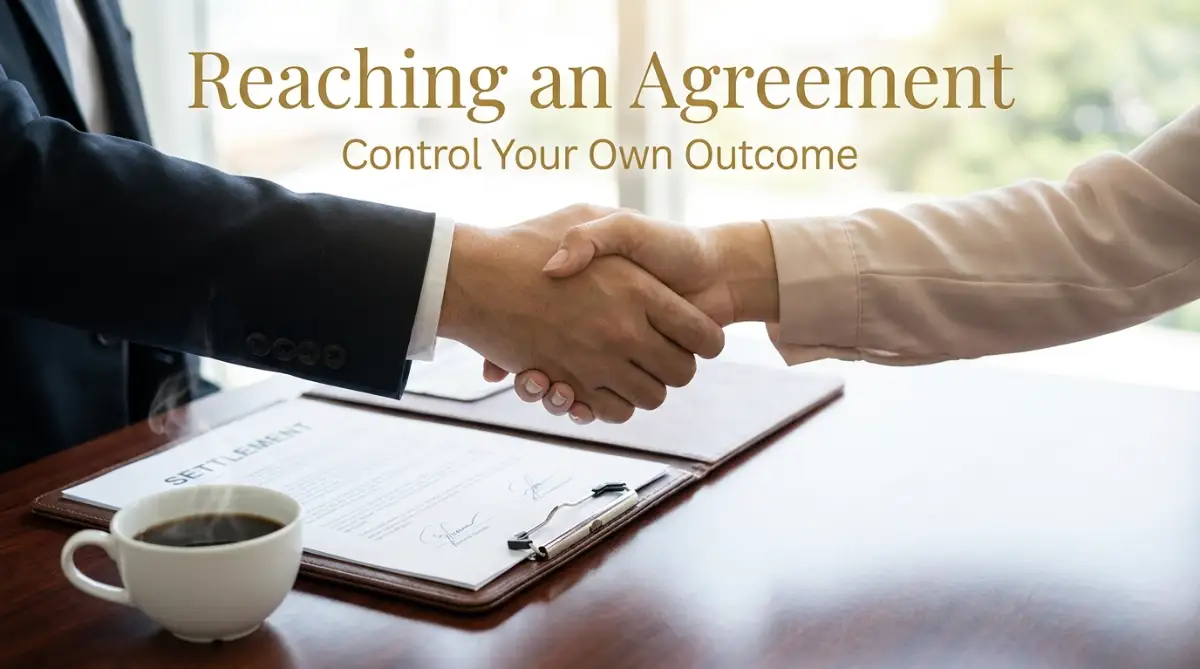
You must put the exact terms of your agreement in writing before anyone leaves the building. This document is known as a binding settlement agreement.
The mediator will help draft the core points. It will clearly state who is paying what amount, the exact date the payment is due, and what happens if someone breaks the rules of the deal.
Once both parties sign that paper, the dispute is officially over. That single signature completely eliminates the need for a trial, saving everyone involved a massive amount of stress.
Walking out of a mediation center with a signed agreement in your hand is one of the most relieving feelings in the world. You suddenly realize that you do not have to spend your weekend reading legal documents. You do not have to worry about answering aggressive emails anymore. You finally have your life back, and you handled the situation like a true professional.
Master-Level Strategies for a Successful Resolution
Walking into a mediation room is a huge step, but simply showing up does not guarantee a successful settlement. You need a solid game plan to ensure you walk out with a fair deal. Professional negotiators use specific psychological strategies to keep the conversation moving in their favor.
Let us look at some highly effective, expert-level tactics to help you control the room. These strategies will help you stay perfectly calm, highly focused, and incredibly persuasive.
The Concept of the Ultimate Backup Plan
Before you ever sit down at the negotiation table, you must clearly understand your absolute bottom line. In the professional business world, this concept is often referred to as your BATNA.
Having a strong backup plan completely removes your fear of the negotiation failing. If you know exactly what your alternative looks like, you will never feel desperate to accept a terrible offer. You can learn more about understanding your Best Alternative to a Negotiated Agreement by studying negotiation frameworks from top academic institutions.
Think about buying a used car. If you have another dealership down the street offering a similar car for a fair price, you are not afraid to walk away from a bad deal. You must bring this exact same confident energy into your legal settlement.
The Power of the Tactical Pause
Most people are incredibly uncomfortable with absolute silence. When the opposing party makes an aggressive statement or a lowball offer, your natural instinct is to immediately argue back.
Instead of reacting, try using the tactical pause. When they finish speaking, simply look at them and wait five full seconds before you open your mouth.
This unexpected silence often makes the other person extremely nervous. They will usually start over-explaining their position, and they might even negotiate against themselves just to fill the quiet air.
Removing Your Ego from the Math
The absolute fastest way to destroy a peaceful settlement is to let your personal pride get in the way. You have to stop looking at the other person as your enemy.
Instead, start treating the situation like a completely emotionless business transaction. Imagine you are a bank teller dealing with a mildly annoying customer. You do not have to like the customer, but you still need to process their paperwork and get them out of your lobby.
When you remove the need for an apology or the need to be "right," you suddenly see the financial numbers clearly. If you are struggling with the basics of navigating complex legal disputes, educating yourself on the core financial realities of lawsuits will quickly humble your ego.
Structuring Creative and Safe Payouts
Sometimes, the other party simply does not have the exact amount of cash you are asking for. A judge would just issue a massive judgment that forces them into bankruptcy, which leaves you with absolutely nothing.
Mediation allows you to get incredibly creative with how you get paid. If they cannot pay you a lump sum today, you can negotiate a structured payment plan over the next twelve months.
You can even ask for non-monetary assets to cover the difference. Maybe a contractor messed up your kitchen remodel, and they cannot afford to refund you. You could mediate an agreement where they supply premium building materials for free instead of handing over cash.
The Dangerous Negotiation Traps That Ruin Settlements
Even with the best mediator in the room, human emotions can easily completely derail the process. People often sabotage their own success because they are blinded by anger or totally unrealistic expectations.
If you fall into these common traps, you will end up walking right back into a miserable, expensive courtroom. Let us explore the absolute worst mistakes you can make during this process and how to actively avoid them.
The "Spite Factor" Illusion
I have seen people refuse a completely reasonable settlement offer simply because they wanted to punish the other person. They mistakenly believe that dragging the other party through a formal trial will teach them a hard lesson.
This is an incredibly dangerous mindset. The legal system does not care about your feelings, and lawsuits punish both sides equally through massive legal bills and wasted time.
If you reject a great deal out of pure spite, you are essentially setting your own money on fire just to let the other person smell the smoke. You must focus purely on your own long-term peace, not on punishing your opponent.
Unrealistic Financial Anchoring
Some people walk into mediation and demand an outrageously high number, thinking it gives them room to negotiate down. If a broken fence costs five thousand dollars to fix, they will demand fifty thousand dollars for "emotional distress."
This strategy usually completely backfires. When you throw out a ridiculous number, the other party instantly assumes you are not serious about settling. They will likely pack up their bags and walk right out the door.
You must anchor your requests to actual, documented reality. By preparing your initial case files with solid receipts, appraisals, and invoices, you prove that your numbers are grounded in facts.
Bringing the Wrong Legal Support
Having a lawyer present during mediation can be incredibly helpful, but only if they have the right mindset. Some attorneys are aggressive "trial dogs" who treat every single interaction like a brutal courtroom battle.
If your lawyer starts yelling at the mediator or insulting the opposing party, the entire peaceful environment is completely destroyed. You need a lawyer who understands the delicate art of compromise.
Before you hire representation, ask them about their specific experience with alternative dispute resolution. Reviewing the guidelines provided by professional arbitration associations can help you understand exactly what a supportive legal advisor should act like during these sessions.
Failing to Finalize the Paperwork Properly
The biggest heartbreak happens when both sides verbally agree to a deal, but they leave the building without signing anything formal. Over the weekend, someone's family member tells them they made a bad deal, and they suddenly change their mind by Monday morning.
A verbal handshake is absolutely worthless in a bitter legal dispute. The settlement must be perfectly documented in writing, detailing every single promise, deadline, and consequence.
Drafting this document requires sharp attention to detail. If you are handling a complex business divorce, safely handling your legal drafting through experienced professionals ensures no loopholes are left behind.
Forgetting the Hidden Tax Man
People often celebrate a large monetary settlement without realizing that the government might want a significant piece of it. Depending on the nature of your dispute, settlement money can sometimes be heavily taxed.
Money received for physical injuries is usually tax-free, but money received for lost business income or emotional distress is often fully taxable.
If you do not account for these taxes during the negotiation, you might end up with significantly less money than you actually need. Reviewing official documentation regarding understanding tax implications of settlements will save you from a massive financial shock next April.
Strategies for Handling Highly Difficult Personalities
Managing the Narcissistic Opponent
One of the most terrifying thoughts is trying to mediate with someone who refuses to admit they are ever wrong. Narcissistic personalities thrive on conflict, and they will try to use the mediation session to gaslight you.
The secret to beating them is completely starving them of any emotional reaction. When they start telling outrageous lies to the mediator, do not roll your eyes or interrupt them.
Let them talk. Mediators are highly trained professionals who deal with manipulative people every single day. The mediator will quickly see through the fake charm and focus entirely on the hard facts.
The "Do's and Don'ts" of Difficult Negotiations
To keep your mind clear when dealing with a toxic opponent, memorize this simple mental checklist before you walk into the building.
Do: Bring snacks and water. Low blood sugar makes you incredibly irritable and prone to bad decisions.
Don't: Make direct eye contact if it makes you anxious. Look at the mediator or your notebook instead.
Do: Ask for a break whenever you feel overwhelmed. You have the right to step outside and breathe.
Don't: Let the other side rush you into signing. Read every single word twice.
By strictly following these boundaries, you protect your own mental energy. You force the difficult person to play by the rules of the mediator, completely stripping away their usual power tactics.
Common Questions About Out-of-Court Resolutions
What happens if the other person simply refuses to mediate?
Mediation is a strictly voluntary process. If the other party absolutely refuses to sit down at the table, you cannot force them, and your only remaining option is to file a formal lawsuit in civil court.
Is a mediated agreement actually legally enforceable?
Yes, once both parties sign a formal settlement agreement, it becomes a legally binding contract. If the other person breaks the promises in that document, you can take that specific contract directly to a judge for immediate enforcement.
Do I still need to hire a lawyer if I use a mediator?
While a mediator guides the conversation, they cannot give you specific legal advice or tell you if a deal is fair. It is highly recommended to have a lawyer review the final document to ensure your personal rights are fully protected.
Who is responsible for paying the mediator's fee?
In most standard cases, both parties agree to split the cost of the mediator exactly down the middle. However, you can easily negotiate this as part of your settlement, sometimes asking the opposing party to cover the full cost.
Can the mediator testify in court if we fail to settle?
Absolutely not. Everything said during a mediation session is strictly protected by confidentiality laws. The mediator cannot be forced to take the witness stand and share your private conversations with a judge.
Your Blueprint for Reclaiming Your Peace
Escaping the shadow of a stressful legal conflict is one of the most liberating experiences you will ever have. When you choose to settle your issues privately, you are taking total control of your own destiny.
You no longer have to wait for a stranger in a courtroom to dictate your financial future. By preparing your facts carefully, managing your emotions, and working alongside a neutral professional, you can resolve massive disputes in a matter of hours instead of years.
Tomorrow morning, start organizing your documents and reach out to a local dispute resolution center. Your mental health, your family time, and your savings account will heavily thank you for choosing the peaceful route.
I know exactly how scary it feels to face a massive dispute, but taking control of your own outcome is incredibly empowering. My personal life changed completely when I stopped fighting to be "right" and started negotiating to be happy. You have the ultimate power to protect your peace and your wallet, so take that first step today.
Disclaimer: The information provided in this article is for educational and informational purposes only and does not constitute formal legal advice. Laws regarding alternative dispute resolution, civil litigation, and legally binding contracts vary significantly by jurisdiction. Always consult with a licensed attorney or a qualified legal professional before signing any settlement agreements or making major legal decisions.