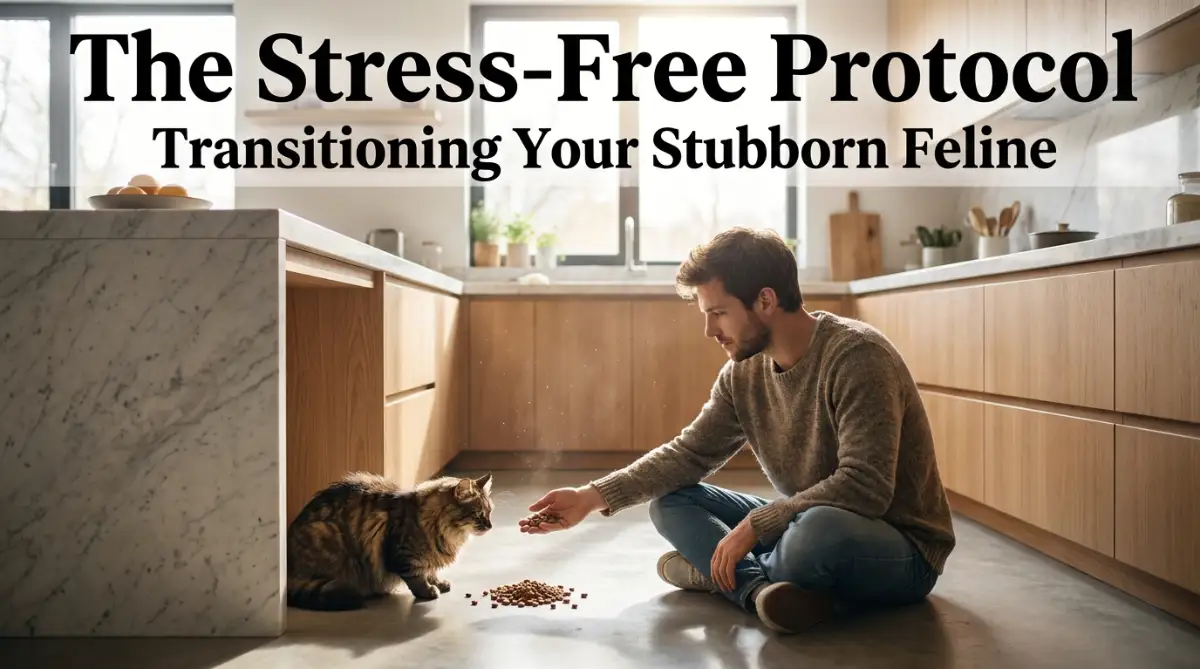
The Reality of Facing a Stubborn Feline Eater
I still remember the exact moment my vet told me my tabby cat needed a completely new diet immediately. I confidently brought the fresh bag home, poured it into his favorite ceramic bowl, and waited for the magic to happen. Instead, he walked up, took one long sniff, and gave me a look of absolute betrayal.
For the next few days, he went on a complete hunger strike, pacing around the kitchen floor. He would scream at me every single morning, begging for his old familiar meals. I felt like the worst pet parent in the world, constantly worrying if I was making a massive mistake. My stress levels were completely through the roof, and I honestly just wanted to give up entirely.
If you are reading this right now, you are probably going through this exact same nightmare. You just spent good money on high-quality nutrition, hoping to improve your furry friend's health. Yet, your little companion is looking at the bowl like you just served them toxic waste.
This rejection completely destroys your peace of mind on a daily basis. Every time mealtime rolls around, you feel a heavy knot in your stomach. You start questioning if this new healthy path is really worth the constant meowing, the sad eyes, and the ignored meals drying out in the bowl.
The worst part is the constant fear of feline liver issues, which can happen if a cat stops eating completely. You are trapped between wanting them to be healthy and just wanting them to eat something, anything at all. It is incredibly exhausting to negotiate with an animal that does not speak your language.
You find yourself sitting on the kitchen floor at 3 AM, trying to hand-feed tiny morsels while questioning all your life choices. Please know that you are not failing, and your pet does not hate you. You just need a completely different approach to handle their incredibly sensitive nature.
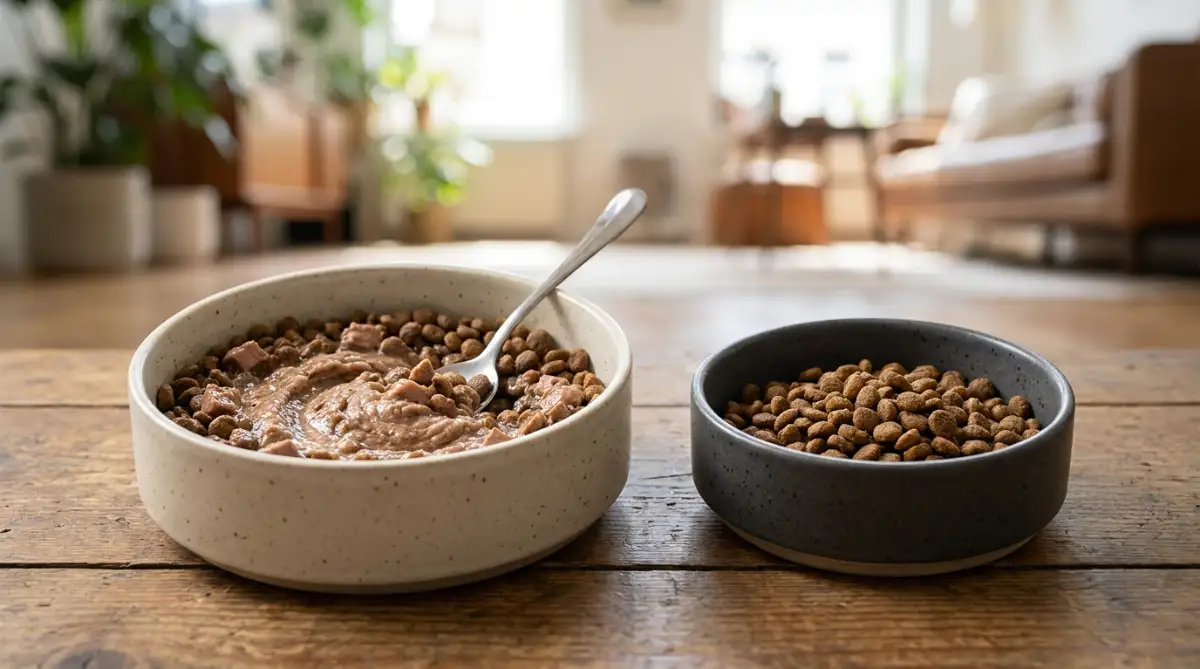
Decoding the Mind of a Picky Feline
To fix this frustrating issue, we first need to understand exactly what is happening inside your pet's brain. Cats are creatures of extreme habit, and they survive in the wild by avoiding unfamiliar things. When you suddenly swap out their dinner, you trigger a natural survival instinct.
Scientists call this behavior neophobia, which simply means the fear of new things. Imagine waking up one morning and someone replaced your favorite sweet coffee with bitter herbal tea without warning. You would probably refuse to drink it, complain loudly, and demand your regular morning cup.
Your little hunter uses their nose to determine if something is safe to eat long before they actually taste it. If the scent profile in the bowl changes overnight, their brain immediately flashes a massive warning sign. This is not just stubbornness; it is a highly evolved biological defense mechanism protecting them from poison.
The Great Feline Food Myths vs. Reality
Before we jump into the exact steps, we need to clear up some incredibly common misunderstandings. Many well-meaning friends will give you terrible advice based on outdated information.
Myth 1: "Just leave it out, a hungry cat will eventually eat."
This is extremely dangerous advice for felines. If a cat goes without eating for just a couple of days, they can develop a life-threatening liver condition called Hepatic Lipidosis. Never force your pet into a starvation standoff.
Myth 2: "Cats only care about the taste of the food."
Actually, taste is totally secondary to a feline. Their sense of smell is their primary tool for eating, followed very closely by the physical texture of the food in their mouth. If the shape or smell is wrong, the taste does not matter at all.
Myth 3: "You can switch brands instantly if they are both high quality."
Your pet's digestive system builds very specific enzymes to break down their current diet. A sudden switch, even to the absolute best organic brand on the market, will likely cause severe stomach upset and diarrhea.
The Foundation of a Stress-Free Switch
Now that we understand their mindset, let us walk through the exact, science-backed protocol to make this transition incredibly smooth. The main secret here is absolute patience and manipulating their sensory experience. We are going to trick their highly intelligent brains into thinking nothing has changed at all.
This process cannot be rushed, and you must completely abandon any timeline you had in your head. Some cats will adapt in seven days, while others might take an entire month of slow adjustments. The goal is zero stress for you and zero digestive issues for your pet.
Step 1: The Scent Familiarization Strategy
Do not put the new item in their bowl on the very first day. We are going to start by simply introducing the new smell into their safe environment. Open the new bag or can and place a tiny amount on a completely separate, small plate next to their regular feeding station.
Do not force them to eat it, and do not mix it with their normal meal just yet. Just let the plate sit there while they eat their usual favorite dinner from their regular bowl. This allows them to investigate the new smell purely on their own terms without feeling any pressure.
Watch for positive body language cues during this phase. If they walk over, give it a good sniff, and walk away calmly, that is a massive win. You are successfully teaching their brain that this weird new smell is completely harmless.
Here is an excellent resource showing exactly how to read their body language when introducing unfamiliar things. Check out this amazing visual breakdown of a successful food introduction:
Step 2: The Micro-Mixing Technique
Once they stop reacting poorly to the smell on the side plate, we move to the physical mixing phase. This is where most pet parents mess up by adding way too much new stuff at once. We are going to use the 10% Rule to keep their digestive system completely stable.
Start by serving a bowl that is 90% of their old familiar favorite, and only 10% of the new option. Mix it so thoroughly that they cannot easily pick out the different pieces. If you are mixing two different dry foods, you can even crush the new kibble slightly to coat the old pieces in the new dust.
Here is a highly effective schedule you can follow, but remember to slow down if they show any signs of an upset stomach:
If at any point your pet refuses the bowl completely or gets loose stools, immediately drop back down to the previous ratio. Give their stomach an extra two or three days to settle before trying to increase the new amount again. This is a marathon, not a sprint.
My Personal Realization
My biggest mistake was getting incredibly impatient on day four and jumping straight to a 50/50 mix because I thought we were doing great. My cat instantly noticed the massive change, rejected the entire bowl, and we had to start the whole frustrating process entirely from scratch. I quickly learned that moving at the cat's incredibly slow pace actually saves you so much time and stress in the long run.
Advanced Strategies for Stubborn Cases
Sometimes the basic mixing schedule is just not enough for an ultra-stubborn companion. If your pet is expertly picking around the new pieces and leaving them on the floor, we need to get a little more creative. We have to manipulate the actual physical properties of the meal.
Temperature and Texture Manipulation
As natural hunters, cats prefer their meals to mimic the temperature of freshly caught prey. Cold leftovers straight out of the refrigerator will almost always be totally ignored. You need to carefully warm the meal to roughly body temperature.
You can do this by adding a tiny splash of warm (never boiling) water to the bowl. This not only warms up the meal but also creates a highly attractive gravy that strongly releases the food's aroma. The steam carries the scent directly to their powerful nose, making it incredibly hard to resist.
If you are transitioning from wet to dry, the texture change can be very jarring for them. Try soaking the new dry kibble in warm water for ten minutes until it becomes completely soft and mushy. You can slowly reduce the amount of water over a few weeks until they are comfortably eating dry crunches.
The Trusted Topper Method
When they refuse to accept the new mixture, you can use a high-value "bribe" to encourage that very first bite. Find an extremely healthy topper that they absolutely lose their minds over. This could be plain boiled chicken breast, a tiny sprinkle of nutritional yeast, or a teaspoon of pure tuna water.
Only use a very small amount, just enough to highly coat the top layer of the bowl. The strong, familiar smell of the topper will overpower the strange scent of the unfamiliar diet. Once they start licking the delicious topper, they will usually continue eating the actual meal underneath without fully realizing it.
Be extremely careful not to rely entirely on the topper forever. Gradually reduce the amount of the bribe every single day. Eventually, the new diet itself will become their new accepted normal.
Managing Your Own Emotional Stress
Throughout this entire ordeal, you absolutely must manage your own anxiety. Animals are incredibly sensitive to our emotional states and body language. If you hover over them nervously while they inspect the bowl, they will assume something dangerous is hiding inside.
Put the bowl down confidently, walk away, and go wash some dishes or read a book. Act completely normal and relaxed. Show them through your calm energy that mealtime is completely safe and completely routine.
If a meal gets totally rejected, do not panic and do not immediately offer treats instead. Simply pick up the bowl after twenty minutes, cover it, and try again a few hours later with a slightly lower ratio of the new stuff. Consistency and a calm attitude are your absolute best tools for achieving final success.
Mastering the Long-Term Healthy Feeding Strategy
Once you successfully get your stubborn pet to accept their new meal, the journey is not quite over. You need a solid strategy to maintain these healthy eating habits so they never revert to their old picky ways. One of the absolute best secrets I learned from clinical pet nutrition experts is to completely eliminate "free feeding."
Leaving a giant bowl of kibble out all day completely destroys a cat's natural hunting instinct. When food is always available, it becomes boring and loses its high value in their mind. Instead, you should switch to scheduled meal feeding, offering breakfast and dinner at specific times.
This simple shift builds a healthy appetite and makes them genuinely excited when you bring out the bowl. If you have a busy work schedule, automatic timed feeders are a fantastic investment for maintaining this exact routine. Just like you need patience and a proper routine to safely erase dark marks without irritating your face, your pet’s digestion needs strict consistency to thrive.
The Power of Rotational Diets
Another highly effective advanced tip is introducing a rotational diet once they are fully adjusted. Do not let your feline get hooked on just one specific flavor or brand for the rest of their life. If that exact recipe gets discontinued by the manufacturer, you will be back to square one facing a total hunger strike.
Instead, safely rotate between two or three high-quality protein sources, like switching between chicken, turkey, and salmon every few months. This keeps their digestive system highly adaptable and prevents severe picky eating habits from forming. It also guarantees they are getting a wide variety of essential nutrients, mimicking how they would eat naturally in the wild.
Overcoming Whisker Fatigue
Many owners completely overlook the physical shape of the feeding bowl, which plays a massive role in meal rejection. Cats have incredibly sensitive whiskers loaded with nerve endings that send constant signals to their brain. If their bowl is too deep and narrow, their whiskers will constantly scrape against the hard sides while they eat.
This causes a very real, physically painful condition known as whisker fatigue. Your cat might step back from a bowl of brand-new food simply because the dish itself is causing them sensory overload. Always serve their meals on a wide, shallow ceramic plate or a specialized flat feeding mat.
By removing this physical discomfort, you instantly increase the chances of them trying a new diet. Small environmental changes like this often solve the biggest behavioral mysteries. Sometimes, paying attention to these tiny details is just as important as knowing the truth about employer sponsored insurance for your family's overall well-being.
Engaging Their Inner Predator
If you want to completely distract a picky eater from the fact that their food has changed, turn mealtime into a fun game. Food puzzles or interactive foraging toys are incredible tools for engaging their highly active brains. When a feline has to "hunt" and work for their kibble, they feel a massive sense of accomplishment.
This psychological reward actually makes the food taste significantly better to them. I started hiding small portions of my cat's new diet in paper towel rolls and hiding them around the living room. The thrill of the hunt completely overpowered his stubbornness, and he ate every single piece without a single complaint.
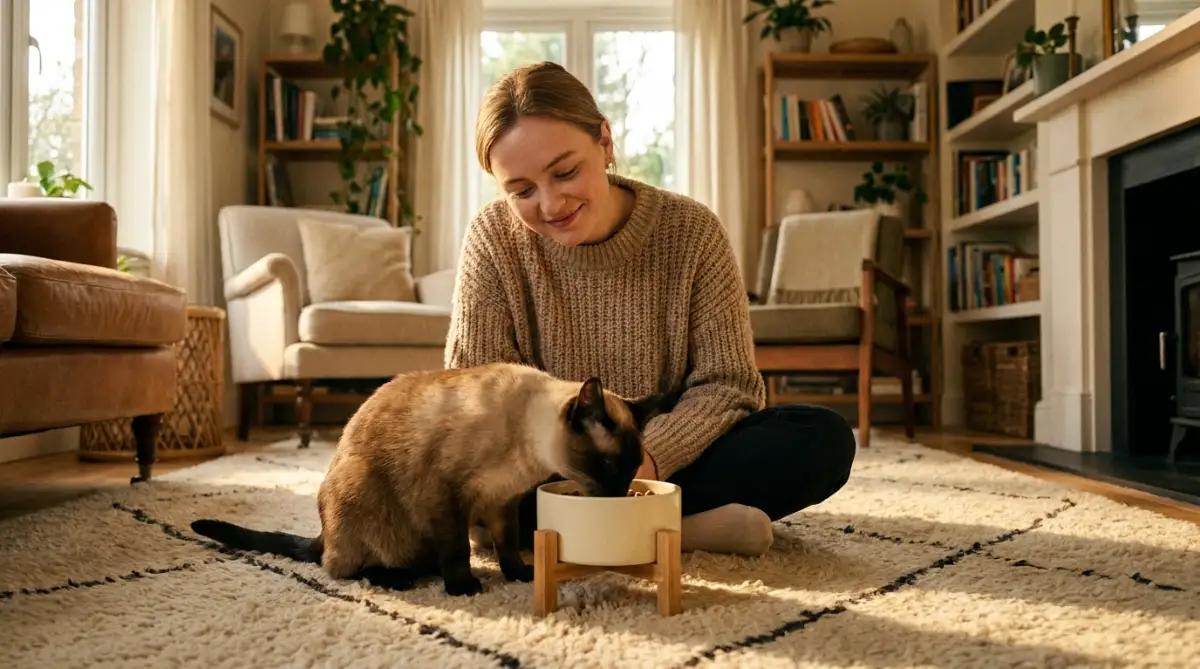
Dangerous Missteps That Ruin the Transition Process
While trying to help our pets, we often let our own frustration take over and make terrible decisions. One of the absolute worst things you can do is attempt the "Tough Love" method by completely withholding old food. Many frustrated owners assume a starving animal will eventually give up and eat whatever is put in front of them.
This is incredibly dangerous because a feline body processes fat very differently than a human or a dog. If they stop eating entirely for just two days, their liver becomes severely overwhelmed with mobilized fat. This rapidly leads to a fatal condition known as feline hepatic lipidosis, which requires immediate emergency veterinary hospitalization.
Ignoring early warning signs of extreme weight loss in a pet can be as disastrous as ignoring the hidden legal traps that can destroy your new startup. Never play a game of chicken with a cat's appetite, because their stubbornness can literally cost them their life.
The Medicine Hiding Disaster
Another massive pitfall is trying to hide bitter medication inside the new, unfamiliar diet. When your pet is already deeply suspicious of a strange new smell, mixing in a terrible-tasting pill will permanently ruin that food for them. Their highly intelligent brain will instantly associate that specific healthy brand with a horrible, bitter taste.
This creates severe food aversion, meaning they will absolutely refuse to touch that specific recipe ever again. Always give medications completely separately from their main feeding station, ideally using a highly flavored treat specifically made for hiding pills. Keep their main mealtime a completely safe, positive, and medical-free experience.
Stress-Buying and Frequent Brand Hopping
When the first healthy brand gets rejected, many owners panic and run straight back to the pet store. They end up buying ten different expensive bags of food, hoping to find a magical flavor their cat will instantly lo