
The Hidden Weight of the Glucose Rollercoaster
Imagine waking up, testing your numbers, and feeling an instant wave of disappointment before your day has even begun. You immediately start calculating what you are "allowed" to eat today.
Breakfast becomes a source of stress rather than nourishment. You look at a simple slice of whole-wheat bread and see an enemy.
This is the daily reality for millions of people trying to keep their numbers in a safe range. The mental toll is often much heavier than the physical symptoms.
You might find yourself turning down dinner invitations with friends because you are afraid the restaurant will not have anything on your strict menu. You might sit at a birthday party, watching everyone else enjoy a slice of cake, while you sip on plain water and pretend you are not hungry.
It feels like you are trapped in a constant cycle of restriction and guilt.
Then comes the physical exhaustion. Around 2:00 PM, a massive energy crash hits you like a brick wall. Your brain feels foggy, your eyes get heavy, and you just want to take a nap under your office desk.
You might try to fix it with a cup of strong black coffee, but it only leaves you feeling jittery and anxious.
Many people believe that extreme, highly restrictive diets are the only way to escape this miserable cycle. They cut out entire food groups, skip meals, and practically starve themselves in the name of health.
But what if I told you that treating food like the enemy is actually making your metabolism worse? What if you could eat the foods you actually enjoy without sending your body into a state of panic?
Let us look at a completely different, science-backed approach that focuses on adding healthy habits rather than taking away your joy of eating.
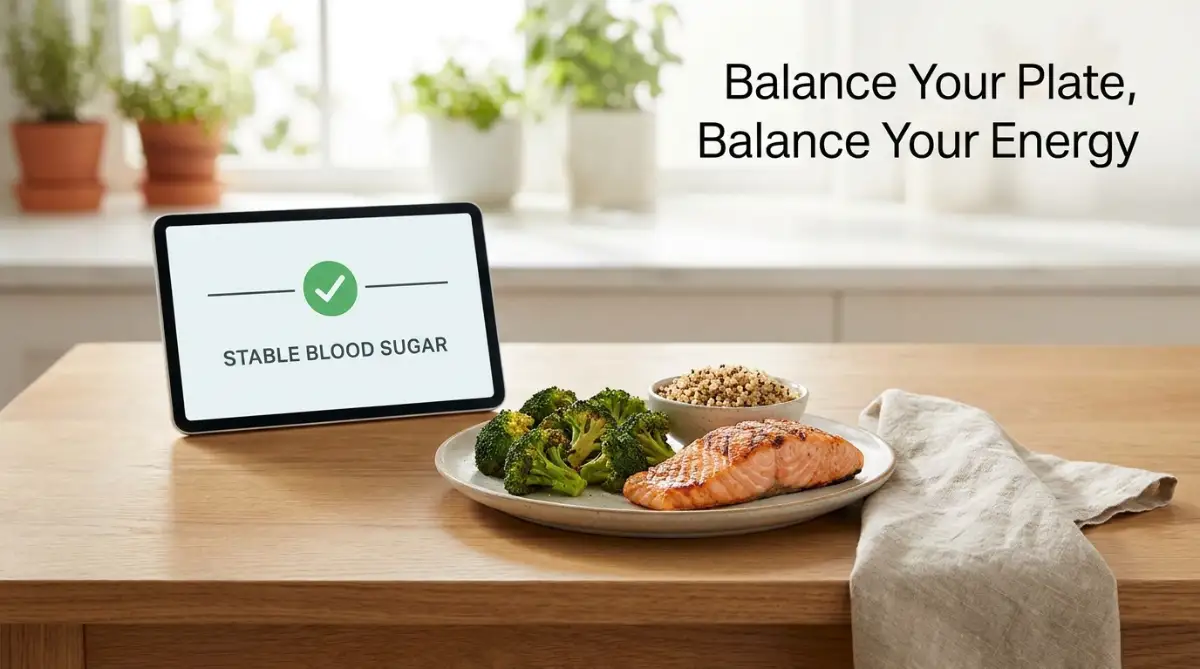
Decoding Your Metabolism: Why Restriction Fails
Whenever we talk about managing glucose, the first piece of advice people usually hear is "stop eating carbs." This advice is everywhere on the internet.
While it is true that carbohydrates break down into sugar in your bloodstream, your body actually needs them for basic energy. Your brain alone uses a massive amount of glucose just to help you think, work, and focus throughout the day.
When you suddenly cut out all carbohydrates, your body goes into survival mode. It starts searching for alternative fuel sources, which can sometimes leave you feeling weak, moody, and completely drained.
Worse yet, extreme diets are almost impossible to maintain long-term. You might stick to a plain chicken and broccoli routine for a few weeks.
But eventually, willpower runs out. You end up bingeing on the exact foods you were trying to avoid, which causes a massive, dangerous spike in your system.
Instead of living in this cycle of starving and bingeing, we need to understand how the body actually processes food.
Think of your metabolism like a campfire. If you throw a handful of dry paper onto a fire, it will create a massive, bright flame that burns out in just a few seconds.
That is exactly what happens when you eat sugary, refined foods on an empty stomach. Your energy shoots up, and then immediately crashes, leaving you hungry again.
Now, imagine placing a large, dense oak log onto that same campfire. It takes a little longer to catch fire, but it burns slowly and steadily for hours, giving off consistent heat.
We want to turn your meals into that steady-burning oak log. You do not have to stop eating. You just have to change the way your body digests what you eat.
The Strategy of "Clothing" Your Carbohydrates
One of the most powerful habits you can build is something nutrition experts call "clothing your carbs."
A "naked carbohydrate" is any starch or sugar eaten completely by itself. Examples include eating an apple on an empty stomach, having a bowl of plain white rice, or drinking a glass of orange juice.
When you eat naked carbs, there is nothing in your stomach to slow down digestion. The sugars rush directly into your bloodstream, causing a sharp spike.
To prevent this, you simply need to pair those carbohydrates with a source of protein, healthy fat, or fiber. We call this "clothing" the carb.
When you add protein and fat to the mix, it completely changes how your stomach processes the meal. These nutrients take a long time to break down.
They act like a traffic jam in your digestive system, forcing the sugars to enter your bloodstream very slowly over a period of several hours.
This simple shift means you can still enjoy a piece of fruit or a serving of rice. You just have to make sure they are never traveling through your digestive system alone.
By making this one small change, you will notice your midday energy crashes start to disappear. You will feel full for much longer, and your next reading will likely be much more stable.
The Science of Meal Sequencing
Did you know that the order in which you eat your food can change your blood sugar response by up to 70%?
You can eat the exact same meal, with the exact same calories, but get a completely different physical reaction just by changing what goes into your mouth first.
When you sit down for a meal, your stomach is completely empty. Whatever hits the stomach lining first will be digested the fastest.
If you start your meal by eating the bread basket or the mashed potatoes, your body will absorb those starches rapidly.
Pro Tip for Dining Out:
Always ask the waiter to bring a side salad or a plate of roasted vegetables before your main course arrives. Tell them to hold the complimentary bread until your actual meal is served.
The scientifically proven sequence for a stable glucose response is: Fiber first, Protein and Fats second, and Carbohydrates last.
When you eat fiber first (like a plate of broccoli or a green salad), it coats the lining of your intestines. It creates a physical barrier, almost like a protective mesh net.
Next, you eat your proteins and healthy fats, like a piece of salmon or a steak. These nutrients send signals to your brain that you are getting full, reducing your overall cravings.
Finally, you eat your carbohydrates at the very end of the meal. By the time the starches reach your intestines, they get caught in that protective fiber net.
The absorption is drastically slowed down. A plate of pasta that used to send your numbers through the roof suddenly becomes a slow, manageable release of energy.
This means you do not have to order a boring salad when you go to an Italian restaurant. You can still order the pasta. Just make sure you eat a massive plate of fibrous vegetables and some grilled chicken before you touch the noodles.
The Magic of the 10-Minute Post-Meal Walk
Most people finish a heavy lunch or dinner and immediately move to the couch to watch television. This is the absolute worst thing you can do for your metabolic health.
When you eat a meal, glucose floods into your blood. Your body then releases insulin to push that energy into your cells.
If you are just sitting down, your cells are resting. They do not need much energy, so they resist taking in the extra sugar.
This leaves the sugar floating around in your bloodstream, causing damage to your blood vessels and leaving you feeling tired.
However, your muscles have a secret superpower. When you contract your muscles through light movement, they can pull glucose directly out of your blood without needing insulin.
This is an incredible biological shortcut.
You do not need to do an intense gym workout or run a marathon. Simply taking a gentle, casual 10 to 15-minute walk around your neighborhood after a meal can work wonders.
If it is raining outside, you can just do some light house chores. Wash the dishes, sweep the floor, or walk up and down your hallway while listening to a podcast.
The goal is simply to keep your body in an upright, active position while your food digests.
Just ten minutes of light movement can flatten your glucose curve significantly. It helps your muscles absorb the excess energy, preventing it from turning into stored fat.
You will also notice that the heavy, bloated feeling after a big dinner goes away much faster. Your digestion improves, and you will sleep significantly better at night.
Managing The Invisible Enemy: Stress and Sleep
We spend so much time obsessing over food and exercise that we completely ignore the invisible factors.
You could eat the most perfect, balanced diet in the world. But if you are highly stressed and sleep-deprived, your numbers will still be chaotic.
When you are stressed, your body releases a hormone called cortisol. This is a survival mechanism left over from our ancestors.
Thousands of years ago, stress meant you were running away from a dangerous animal. To help you escape, cortisol tells your liver to dump stored sugar directly into your bloodstream to give you quick energy.
Today, we are not running from wild animals. We are stressed about work emails, traffic jams, and unpaid bills.
But your body does not know the difference. Your liver still dumps sugar into your blood every time you get anxious. Since you are just sitting at a desk, that sugar has nowhere to go.
This is why your numbers might be unexpectedly high in the morning, even if you ate perfectly the day before.
Similarly, losing just one night of quality sleep makes your cells highly resistant to insulin the next day. Your body becomes terrible at processing carbohydrates when it is exhausted.
To truly manage your health, you have to treat sleep and stress management with the same respect you give your diet.
Try to create a strict bedtime routine. Turn off all bright screens at least an hour before you plan to sleep. The blue light from your phone tricks your brain into thinking it is still daytime, completely ruining your natural sleep cycles.
Read a physical book, practice deep breathing, or take a warm shower. Small, consistent actions to calm your nervous system will reflect beautifully in your daily health metrics.
By combining these natural strategies—clothing your carbs, eating in the right order, moving after meals, and protecting your rest—you take back control of your life. You stop living in fear of food, and start working alongside your body to create lasting, natural energy.
Next-Level Biological Hacks for Steady Energy
You already know the basics of food sequencing and post-meal movement. Now, we are going to look at some advanced tricks that you can quietly use in your daily routine.
These are the strategies that make managing your health feel completely effortless. You will not need special diet pills or expensive superfoods to see results.
Instead, we are going to use basic kitchen science to change how your body reacts to the foods you already love. Let us look at a few powerful ways to protect your energy levels naturally.
The Kitchen Magic of Resistant Starch
What if I told you that you could eat a bowl of pasta or white rice, but your body would digest it like a bowl of broccoli? This sounds impossible, but it is actually a proven biological trick.
When you cook starchy foods like potatoes, pasta, or rice, and then put them in the refrigerator overnight, their chemical structure changes. The starches transform into something called "resistant starch."
Just as the name suggests, this new starch resists human digestion. Your body can no longer easily break it down into simple sugars.
Instead of turning into a massive sugar spike, this food travels straight to your lower intestine. There, it feeds the good bacteria in your gut.
Even if you reheat that rice or potato the next day, the resistant starch remains intact. This simple habit of cooking your starches a day early completely changes your physical response.
You get to enjoy your favorite side dishes without the heavy guilt or the afternoon energy crash. It is one of the smartest ways to keep your diet flexible and enjoyable.
The Simple Pre-Meal Vinegar Trick
Sometimes, we want to eat a heavy, indulgent meal. Maybe it is a holiday dinner, or you are attending a friend's wedding where dessert is definitely on the menu.
For these moments, you can use the power of acetic acid. This is the main active compound found in any regular household vinegar, especially apple cider vinegar.
According to various clinical studies published by the National Institutes of Health, drinking a small amount of vinegar before a carbohydrate-heavy meal can significantly lower your body's glucose response.
How does it work? The acetic acid acts like a temporary traffic signal in your stomach. It drastically slows down the rate at which your stomach empties its food into your intestines.
Because the food enters your system much slower, the sugar enters your blood slowly as well. Your body gets a gentle, rolling hill of energy instead of a dangerous, sharp mountain peak.
To use this trick, simply mix one tablespoon of apple cider vinegar into a tall glass of water. Drink it about fifteen minutes before you eat your heaviest meal.
Pro Tip: Always drink this mixture through a straw to protect your tooth enamel from the acidity, and never drink vinegar without diluting it in water first.
Building Your Metabolic Engine
Diet is only one half of the equation. If you want long-term freedom from food anxiety, you need to build a stronger metabolic engine.
Think of your muscles like sponges that soak up excess sugar from your blood. The more muscle mass you have, the larger your sponges are.
When you have a healthy amount of muscle, your body can easily absorb carbohydrates without needing to pump out massive amounts of insulin. This gives you a huge amount of dietary freedom.
You do not need to become a professional bodybuilder. Simple bodyweight exercises, like doing a few squats while watching television or carrying heavy groceries, can make a massive difference.
Protecting your health is ultimately about securing your future. We often worry about financial stability, like understanding the truth about employer-sponsored insurance, to protect our families.
Building physical strength is the exact same concept. You are investing in a biological insurance policy that pays you back with daily energy and peace of mind.

The Silent Traps That Sabotage Your Progress
Even with the best intentions, many people fall into hidden traps that keep their numbers chaotic. They try so hard to be healthy, but they end up making their situation much worse.
Let us explore some of the most common pitfalls so you can avoid the frustration that usually comes with them.
Drinking Your Calories (The Smoothie Trap)
One of the biggest health myths is that fruit smoothies are the perfect breakfast. You take a banana, some frozen mango, a handful of berries, and blend them all together.
While these fruits contain wonderful vitamins, blending them destroys all the protective fiber. The blender blades do the work your teeth and stomach are supposed to do.
When you drink that smoothie, a massive rush of pure, naked liquid sugar hits your system instantly. It is almost identical to drinking a can of soda.
If you love fruit, eat it in its whole, natural form. The chewing process and the intact fiber will slow down the digestion perfectly.
The Danger of Constant Grazing
We have been told for decades that eating six small meals a day is good for our metabolism. For anyone struggling with energy balance, this is terrible advice.
Every single time you put calories into your mouth, your body releases insulin to process that food. If you are constantly snacking from morning until night, your insulin levels never get a chance to rest.
When your insulin is constantly high, your body physically cannot burn stored fat for energy. You end up feeling constantly hungry and sluggish.
Just like you would not want your bank account to mirror unmasking crypto volatility with wild ups and downs, your eating schedule should not be chaotic either.
Stick to three solid, balanced meals a day. If you design your meals properly with enough protein and fat, you will not even desire a snack between lunch and dinner.
Letting Stress Dictate Your Plate
Many people underestimate the massive impact of emotional stress on their physical body. When you are worried, your liver releases stored glucose to help you fight or run away.
This means your numbers can shoot up dramatically even if you have not eaten a single bite of food.
Often, people panic when they see a high reading in the morning. They immediately restrict their breakfast, which only causes more stress and more liver dumping.
Financial anxiety is a huge trigger for this. Constantly worrying about bills or trying to secure fast unsecured bank loans for immediate cash keeps your body in a chronic state of fight-or-flight.
You must learn to disconnect your self-worth from the numbers on your health monitor. A high reading is not a moral failure; it is just a piece of data.
Official health protocols, like the guidelines provided by the Centers for Disease Control and Prevention, emphasize that managing mental stress is just as important as managing your kitchen.
Take a deep breath, go for a walk, and remember that one bad day does not erase all your hard work.
Your New Beginning: Living Free from Food Anxiety
You now have a complete, science-backed roadmap to take back control of your life. You do not have to live in fear of carbohydrates anymore.
You understand that it is not necessarily what you eat, but how you eat it. By clothing your carbs and eating your food in the correct order, you can enjoy delicious meals with your family again.
You have learned that a simple ten-minute walk can work miracles for your digestion. You also know how to use kitchen secrets like resistant starch to your advantage.
Your Action Plan for Tomorrow
To make this truly stick, do not try to change everything all at once. Start with just one small habit tomorrow morning.
Here is a simple checklist to guide you:
- Morning: Eat a savory breakfast instead of a sweet one. Focus on eggs, avocado, or leftover dinner instead of cereal.
- Lunch: Drink a tall glass of water before you eat. Eat your vegetables first, your protein second, and your carbs last.
- Afternoon: If you need a snack, make sure it has protein. Pair an apple with peanut butter, or have some cheese with your crackers.
- Dinner: Take a gentle 10-minute walk around your neighborhood after you finish eating.
Making healthy lifestyle changes is very similar to organizing your personal life. When you look for smart ways to evaluate your home refinance options today, you are taking a calculated step toward peace of mind.
Treat your body with that same level of calculated care. You deserve to feel energetic, clear-headed, and confident every single day.
Stop punishing yourself with extreme diets that leave you miserable. Start working with your body, enjoy your food, and watch how quickly your natural energy returns.
You have the knowledge, you have the tools, and you are entirely capable of making this change starting right now.
Disclaimer: The information provided in this blog post is for educational and informational purposes only. It is not intended as a substitute for professional medical advice, diagnosis, or treatment. Always seek the guidance of your physician or other qualified health provider with any questions you may have regarding your health or a medical condition.