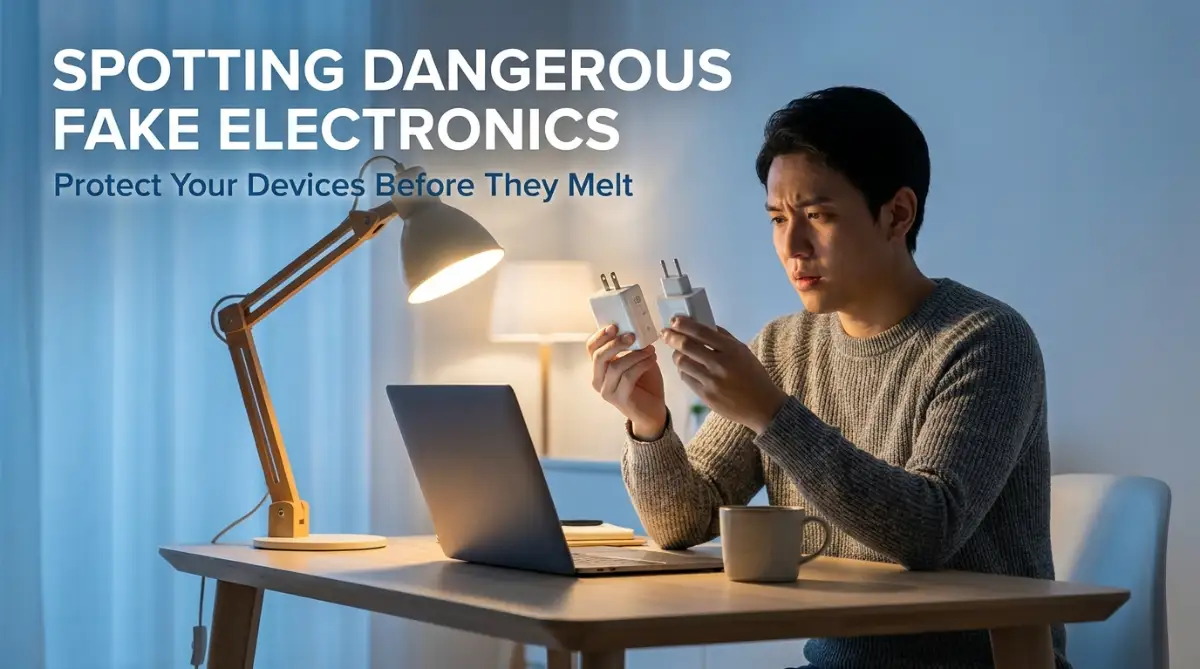
The Midnight Melt: When a "Great Deal" Turns Into a Nightmare
I will never forget the terrifying smell of burning plastic filling my bedroom in the middle of the night. I woke up coughing, only to find my brand-new smartphone literally melting on my nightstand. I had purchased a replacement charger online a few days earlier, thinking I was getting a great deal on a top-selling brand. Instead, I accidentally bought a dangerous counterfeit that completely bypassed all basic safety regulations. It was a terrifying wake-up call that completely changed how I look at everyday gadgets.
This hidden threat is silently sitting in homes all across the world right now. You buy a highly popular electronic device at a discount, plug it into your wall, and assume everything is perfectly fine. But behind that shiny plastic casing, cheap components are ticking like a tiny time bomb.
The mental toll of dealing with these fake products is honestly exhausting. People live in constant fear of leaving their devices plugged in while they are not home. You find yourself constantly touching your phone to see if it feels dangerously hot.
Your hard-earned money is completely wasted when a counterfeit gadget ruins your expensive smartphone or laptop. A simple ten-dollar fake charger can easily destroy a thousand-dollar computer in a matter of seconds. Families are losing their peace of mind just because they wanted to save a few dollars on a popular electronic accessory.
We are constantly targeted by these incredibly sophisticated scams every single time we shop online. The fake packaging looks so real that even experienced buyers get tricked on a daily basis. But once you learn the hidden signs of counterfeit electronics, you take all your power back.
The Hidden Threat Inside Your Wall Outlet
Before we learn how to spot these fakes, we need to understand the actual science behind why they fail. Genuine electronics are built with high-quality copper wiring and strict internal heat regulators. These components safely convert high-voltage electricity from your wall into the low-voltage power your device needs.
Counterfeiters do not care about your safety or your property. They simply want to maximize their profit by using the absolute cheapest materials available. Instead of pure copper, they often use cheap aluminum wire that overheats extremely fast.
They also completely remove the internal smart chips that prevent power overloads. Without these protective chips, raw, unfiltered electricity can surge directly into your battery. This sudden electrical surge is exactly what causes batteries to swell, leak, or burst into flames.
Think of a genuine charger like a carefully controlled water dam that gently fills a swimming pool. A fake charger is like a broken dam that floods the pool instantly, destroying everything in its path.
The Weight Test: Why Heavier Means Safer
One of the easiest ways to spot a fake requires no special tools at all. Simply hold the suspicious device in your hand and compare it to an older, genuine version. You will almost always notice a significant weight difference immediately.
Genuine power adapters and electronics are heavy because they are packed with thick metal heat sinks and thick insulation. Counterfeits are dangerously lightweight because they leave all of those heavy, expensive safety parts out.
If a wall charger feels like a hollow, empty plastic shell, you should throw it in the trash immediately. Never plug a suspicious, weightless accessory into your expensive phone.
My Personal Realization: I once bought a highly rated charging hub for my home office. When I tested it with my USB meter, I saw it was pumping out double the safe voltage directly into my expensive laptop. A ten-dollar testing tool easily saved me thousands of dollars in damages.
Want to see exactly what happens inside a counterfeit charger when it fails? Watch this complete breakdown
Examining the Packaging and Typography
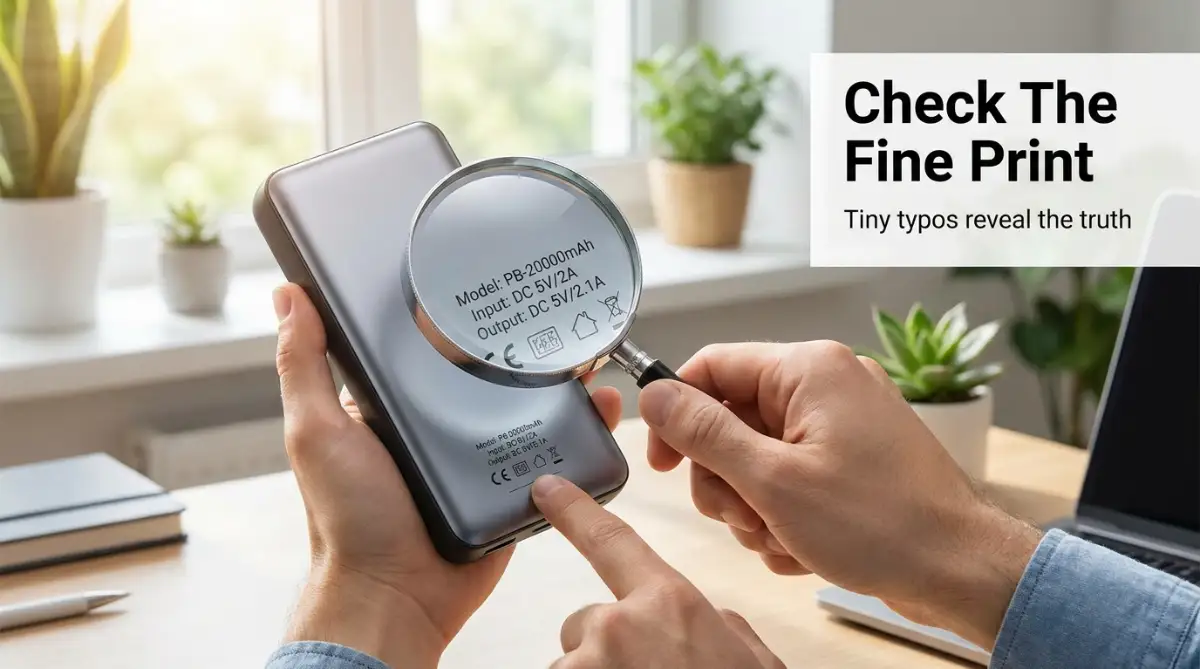
Scammers spend a lot of money making the front of the box look perfect. However, they almost always make mistakes on the back of the box where the tiny text lives. You need to become a bit of a detective when opening new items.
- Logo Quality: Look very closely at the company logos printed on the cardboard. Counterfeiters often use low-resolution images, causing the edges of the logo to look blurry or pixelated. Genuine brands spend millions of dollars ensuring their logo is printed with razor-sharp perfection.
- Typos & Grammar: Read the small warning labels and product descriptions. You will frequently find hilarious spelling errors or terrible grammar on fake boxes. A multi-billion dollar tech company will never accidentally spell "Bluetooth" or "Wireless" wrong on their official packaging.
The Danger of Uneven USB Ports
The physical build quality of a fake gadget is usually terrible if you look closely. Inspect the metal USB ports or charging inputs on the device. On a genuine product, these metal ports will sit perfectly flush against the plastic casing.
On a counterfeit item, the ports are often crooked, loose, or sitting deep inside the plastic shell. When you try to plug a cable into a fake port, you might feel an unusual amount of resistance or scraping.
This poor alignment happens because the internal circuit boards are glued together instead of being properly screwed into place. If a charging cable does not click smoothly into place, unplug it immediately before it causes an electrical short.
Understanding Lithium-Ion Battery Failures
Many top-selling electronics today contain lithium-ion batteries, from wireless earbuds to smartwatches. These batteries are incredibly powerful, but they require strict chemical balance to remain stable. Genuine manufacturers test their batteries through extreme heat and pressure scenarios.
Fake electronics use uncertified batteries made in unregulated factories. When these cheap batteries get warm during normal use, the thin internal walls can physically break down. This causes the positive and negative sides of the battery to touch, creating a massive internal spark.
Scientists call this event "thermal runaway." Once thermal runaway starts, you cannot put the fire out with regular water. The battery will continuously generate its own intense heat until it completely burns out, taking your device with it.
Recognizing Software Compatibility Warnings
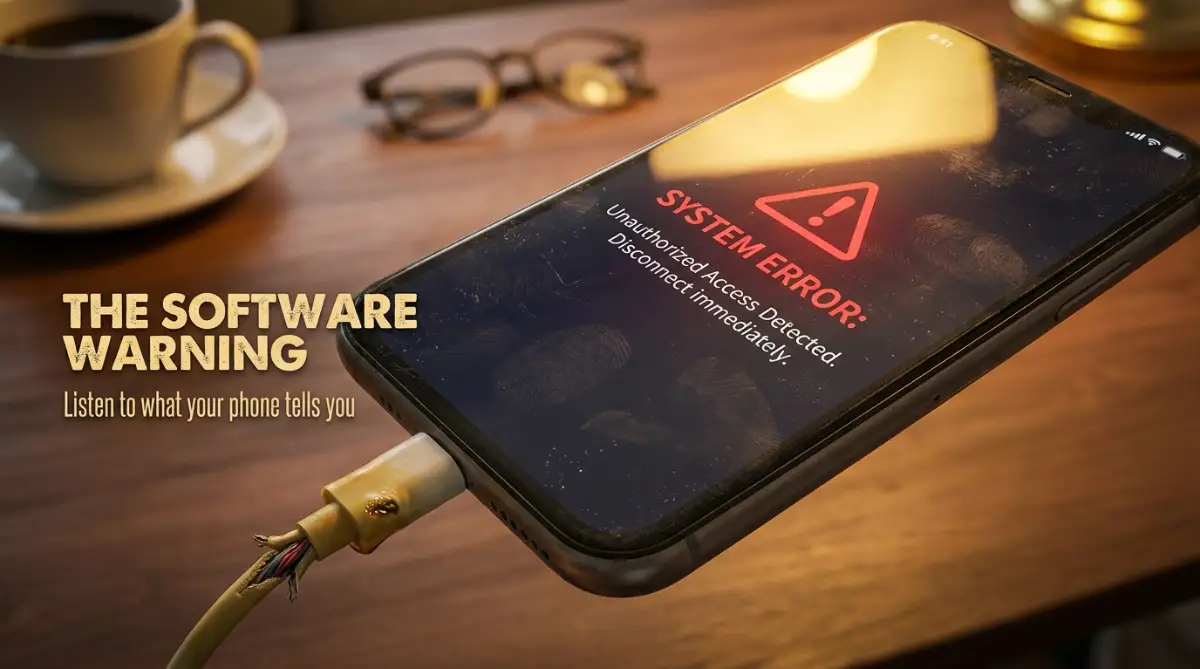
Your smartphone is actually much smarter than you might think. Modern phones have software designed to detect the electrical signature of the things you plug into them. This is a built-in safety net to protect the internal motherboard.
If you plug in a new cable and immediately see a pop-up saying, "This accessory may not be supported," take it seriously. This is your phone telling you that the electrical current coming through the wire is unstable or incorrect.
Many people just dismiss this warning and try flipping the cable over to make it work. Doing this forces your phone to accept a dangerous power level. If your phone gives you a warning, listen to it and discard the fake accessory.
The Heat Signature of Counterfeit Tech
All electronics get slightly warm when they are being used. This is a completely normal byproduct of moving electricity. However, there is a huge difference between normal warmth and dangerous heat.
A genuine wall adapter might feel warm to the touch after charging a tablet for two hours. A counterfeit adapter can become too hot to comfortably hold in your bare hands within just ten minutes.
If you ever smell burning metal, hot glue, or melting plastic, the internal components are already failing. Unplug the device from the wall immediately, but do not touch the hot plastic directly. Turn off the power at the main switch if you have to.
Visual Comparison: Real vs. Fake Traits
To help you make quick decisions, keep these physical differences in mind whenever you shop. Knowing these specific traits will save you from making a terrible purchase.
The Pricing Trap: When Cheap Becomes Expensive
We all love finding a great discount online. But the biggest red flag for counterfeit electronics is a price tag that seems impossible. If a top-selling pair of headphones normally costs two hundred dollars, you are not going to find a real pair for twenty dollars.
Scammers use ridiculously low prices to bypass your logical thinking. They know that if the price is low enough, you will click the buy button without doing any research.
Buying an impossibly cheap electronic device is like buying a discounted parachute. You are risking your total safety just to save a few dollars upfront. The amount of money you will spend replacing a burned-out laptop is far more than the cost of a genuine, high-quality charger.
How Fake Cords Damage Your Charging Port
It is not just the large power bricks that cause problems. Even a simple, fake USB charging cord can silently destroy your phone over time. Genuine cables have highly polished, gold-plated connectors that glide smoothly into your device.
Counterfeit cords use cheap steel or tin for the connecting pins. These cheap metals do not conduct electricity evenly, causing microscopic electrical arcs inside your phone. Over a few months, this constant sparking literally burns away the delicate sensors inside your charging port.
Eventually, your phone will stop charging altogether, even if you finally buy a real cable. You will then have to pay a repair shop hundreds of dollars just to fix the damaged internal port.
Mastering the Art of Tech Authentication
Protecting your expensive gadgets requires more than just a quick visual check. You need to develop a proactive mindset to completely outsmart the scammers.
1. Check Official Registration Systems
Almost every premium electronic device comes with a unique serial number. Before you even plug a newly purchased item into the wall, take five minutes to visit the brand's official website. Type that serial number into their warranty registration page. If the website tells you the serial number is invalid, you are holding a fake.
2. Verify Safety Certifications
Genuine electronics are rigorously tested by independent laboratories. You will usually see a small "UL" logo on the back of chargers. Counterfeiters just print a fake logo. You can completely bypass their trick by searching the Underwriters Laboratories (UL) official directory to verify the control number underneath the logo.
3. The Software Verification Strategy
Hardware can be easily copied, but proprietary software is nearly impossible to fake. When you connect a genuine accessory (like wireless earbuds) to your phone, the official app will recognize it and check for firmware updates. If your new premium headphones refuse to connect to the manufacturer's official application, pack them up immediately.
4. Invest in a USB Power Meter
If you frequently buy charging cables, I highly recommend buying a simple USB multimeter. It plugs in between your charger and your phone and reads the exact electrical current. A genuine charger shows a steady stream; a fake one will show numbers jumping wildly.
My Personal Realization: I once bought a highly rated charging hub for my home office. When I tested it with my USB meter, I saw it was pumping out double the safe voltage directly into my expensive laptop. A ten-dollar testing tool easily saved me thousands of dollars in damages.
Dangerous Shopping Habits That Put Your Home at Risk
Many people accidentally invite these dangerous products into their lives through simple shopping mistakes. You must actively break these dangerous habits:
- Trusting Online Reviews Blindly: Scammers use fake accounts to flood product pages with five-star ratings. Filter the reviews to only show the one-star and two-star comments. If people complain about melting or sparking, run away immediately.
- The "Fulfilled By" Illusion: Just because a product ships from a famous warehouse (like Amazon FBA) doesn't mean it's officially approved. Unverified third-party sellers use these warehouses too. Always check the actual seller's name hidden directly under the "Buy" button.
- Throwing Away Original Packaging: Keep the original packaging for at least thirty days. If the charger starts melting, you will need the barcodes and serial numbers to demand a refund and report the fraudulent seller.
- Buying Emergency Tech While Traveling: Airport kiosks and tourist shops are heavily flooded with uncertified electronics. Always pack a genuine spare charger in your main travel bag.
- Ignoring Physical Risks to Pets: Cheap charging cables have brittle rubber insulation that splits open easily, exposing live wires. This is a fatal hazard for pets who love to chew on things.
Your Ultimate Action Plan for a Safe Smart Home
You now have a powerful set of tools to completely avoid the dangers of counterfeit electronics. You know how to look past the shiny packaging and spot the dangerous red flags hidden in the physical weight, the crooked ports, and the messy typography.
Start auditing your home today. Walk through your living room and check the wall chargers currently plugged into your outlets. If any of them feel unusually hot, look slightly melted, or feel suspiciously lightweight, unplug them and throw them away immediately.
You can always check the U.S. Consumer Product Safety Commission (CPSC) regarding electronic recalls to stay updated on dangerous items. Keep reading trusted guides on Infozonee to stay one step ahead of these constant technological threats.
I know exactly how frustrating it is to feel tricked by a bad online purchase. But taking a few extra seconds to verify my devices gave me total peace of mind. I want you to feel that exact same confidence every time you plug in your favorite gadgets!
Frequent Questions About Electronic Safety (FAQs)
Can a fake charger ruin my phone battery permanently?
Yes, it absolutely can. Fake chargers lack the smart chips that regulate voltage, which forces raw electricity directly into your battery. This constant overcharging permanently destroys the chemical balance inside the battery cells.
How do I report a counterfeit electronic device?
You should immediately contact the customer support team of the online marketplace where you bought it. You can also report the fraudulent seller directly to the genuine brand's official fraud department through their official website.
Are all cheap electronics automatically fake or dangerous?
Not necessarily, but extreme discounts on premium brands are a massive red flag. There are many safe, budget-friendly brands available, but they will proudly sell under their own company name rather than copying a famous logo.
Will my device warranty cover damage caused by a counterfeit cord?
No. Almost all major tech manufacturers will void your official warranty if they discover you used uncertified third-party accessories. You will have to pay for the entire repair out of your own pocket.
Why does my phone screen freeze when plugged into a new charger?
This is a huge warning sign of unstable electrical grounding inside a fake charger. The messy electrical current interferes with your phone's touch screen digitizer, making it glitch or freeze completely.
Disclaimer: The information provided in this blog post is for educational and general informational purposes only. We are not responsible for any damage or injury caused by faulty electronic devices. Always consult the official manufacturer guidelines and use certified accessories to ensure the absolute safety of your home and personal property.
![3 Simple Tricks to Clean Hard-to-Reach Vacuum Sensors [Avoid These Mistakes]](https://infozonee.com/storage/uploads/blogs/1785495858_3-simple-tricks-to-clean-hard-to-reach-vacuum-sensors-avoid-these-mistakes.webp)