
The Nightmare I Faced When the Legal System Took Control
I still remember sitting in a cold, echoing courtroom, watching a judge decide what would happen to my parents' hard-earned home. My mother had passed away suddenly without a clear legal plan, and I was left holding a messy stack of outdated papers. I felt completely powerless as strangers in black robes dictated our family's exact future. The ongoing legal fees were quietly eating away at the savings my parents spent a whole lifetime building. I promised myself right then that I would never let my own kids go through this exact same nightmare.
This specific pain is a silent epidemic that thousands of families face every single day. Regular, hardworking people assume that simply writing a basic will on a piece of paper is enough to protect their children. They have absolutely no idea that a standard will guarantees their family will end up in a highly stressful public court process called probate.
When you leave your loved ones to deal with a messy legal system, you accidentally strip away their mental peace during their darkest days of grief. Families end up fighting over minor details because the legal instructions are completely unclear. Siblings stop talking to each other, and the emotional stress tears otherwise happy homes entirely apart.
People lose sleep worrying about what will happen to their spouse or their special-needs child if an accident happens tomorrow. You work your fingers to the bone to pay off your mortgage, only to realize the state might take a massive cut of it before your kids see a single dime. The fear of making a costly legal mistake paralyzes people, so they just ignore the problem and hope for the best. Unfortunately, hope is a terrible strategy when it comes to the law.

Breaking Down the Revocable Living Trust (Without the Law Degree)
You do not need to speak complicated Latin or pay a lawyer thousands of dollars just to understand how a trust actually works. I want to explain the exact legal mechanics behind this amazing tool using plain, simple English. Once you understand the basic moving parts, you will feel incredibly empowered to take control of your own estate. Let us map out exactly how you can build a massive wall of legal protection around your family today.
The "Magic Security Box" Concept
To understand a revocable living trust, you just need to picture a giant, heavy-duty security box. When you create a trust, you are essentially building this empty box out of legal paperwork.
Right now, you hold all of your assets out in the open. Your house, your bank accounts, and your cars are completely exposed to the public legal system. If you die, the court has to step in and figure out who gets to pick up your exposed items.
When you build this legal box, you place all of your valuable items directly inside of it. Because you are the one who built the box, you hold the only key. You can open it, take money out, sell the house inside it, or put new things in whenever you want.
Understanding the Three Main Characters
Every trust requires three specific roles to function properly under the law. The best part about a revocable living trust is that you get to play all three roles at the very beginning.
First, you are the Grantor. This is just a fancy legal term for the person who creates the box and owns the stuff going into it.
Second, you are the Trustee. The trustee is the manager who holds the key and decides what happens to the stuff inside. Finally, you are the Beneficiary. This means you get to enjoy all the money and property in the box while you are still alive.
Myth vs. Reality in Estate Planning
Myth: Only ultra-rich billionaires need a trust.
Reality: If you own a home or have over fifty thousand dollars in savings, a trust is one of the smartest ways to save your middle-class family from massive court fees.
Myth: Once I put my house in a trust, I can never sell it.
Reality: The word "revocable" means you can completely undo, change, or destroy the trust at any time. You can sell your house tomorrow just like you normally would.
Myth: Setting up a trust protects me from my own current debts and lawsuits.
Reality: Because you still hold the key to the box, creditors can still reach your money if you get sued. You need a completely different tool, called an irrevocable trust, for absolute debt protection.
Bypassing the Public Probate Trap
The single biggest reason smart people set up this legal box is to completely bypass probate court. Probate is the slow, expensive, and entirely public process of proving that a will is legally valid.
If you die with only a standard will, a judge has to officially transfer your property to your kids. This process can easily take nine months to two years, and the court will take a significant percentage of your estate in fees. Anyone in your town can legally look up exactly what you owned and who you gave it to.
When you use a trust, you do not technically own your house when you die; the box owns it. Because the box never dies, the court has absolutely no reason to get involved. Your assets transfer privately, instantly, and completely free of court interference.
Watch This Expert Breakdown on How Probate Drains Family Wealth
If you want to see exactly how much money the court system actually takes from a standard family home, you need to watch this. This quick visual guide explains the exact math behind probate fees and why you must avoid them.
The Power of the Successor Trustee
We established that you are holding the key to your legal box right now. But what happens if you get into a terrible car accident tomorrow and fall into a coma?
A traditional will does absolutely nothing to help you while you are alive but incapacitated. Your family would have to drag you into court to get legal guardianship just to pay your own mortgage using your own bank account.
This is where the trust becomes incredibly powerful. When you set it up, you name a Successor Trustee. Think of this person as your trusted backup driver.
If a doctor says you can no longer manage your own brain or body, your backup driver gets a duplicate key to the box. They can instantly step in, pay your medical bills, and manage your house without ever asking a judge for permission.
The Funding Phase: Where Most People Fail
Creating the legal paperwork for the trust is only the very first step of the journey. The biggest mistake people make is buying the fancy legal binder and then throwing it in a desk drawer.
If you do not physically put your items into the box, the box is completely worthless. The legal process of moving your items is called funding the trust.
To fund your trust, you have to actually change the legal titles of your property. If your house is currently owned by "John Smith," you must file a new deed with your local county. The new deed will say the house is owned by "John Smith, Trustee of the John Smith Family Trust."
Pro Tip from My Own Experience: I paid a lawyer a lot of money to draft my trust, but I completely forgot to change the name on my primary savings account. Two years later, I realized that if I had died, that specific account would have gone straight to probate court because it was sitting outside my legal box. You must physically walk into your local bank branch and update your account titles.
Navigating Beneficiary Designations
You do not actually need to put every single thing you own into the trust. Certain financial accounts already have built-in transfer mechanics that bypass the court system automatically.
Things like life insurance policies, retirement accounts, and 401(k) plans ask you to name a specific beneficiary when you open them. When you die, that money goes straight to the person you named, totally skipping probate.
However, you must make sure your direct beneficiaries do not conflict with your trust instructions. Many smart planners will actually name their newly created trust as the primary beneficiary of their life insurance policy. This ensures all the cash flows directly into the protected box to be managed properly for their children.
Setting Up Age Restrictions for Your Kids
If you leave a large sum of money to a nineteen-year-old through a standard will, they get a massive check the day they turn eighteen. For most teenagers, receiving hundreds of thousands of dollars is a recipe for complete financial disaster. They will likely buy a sports car and blow the money before they even finish college.
A living trust allows you to set up incredibly specific rules from beyond the grave. You can tell your successor trustee to keep the money locked safely in the box until your child reaches a mature age.
You can write a rule that says your child gets thirty percent of the money at age twenty-five, and the rest at age thirty. You can even specify that the trustee is only allowed to unlock the money to pay for college tuition or a down payment on a first home. This mechanic guarantees your wealth actually helps your kids instead of ruining their work ethic.
The Pour-Over Will Safety Net
Even the most organized person in the world might forget to put a new car or a new bank account into their trust. If you buy a small piece of land and forget to title it properly, it gets left out in the cold.
To catch these mistakes, your attorney will create a document called a Pour-Over Will. This acts as a massive safety net sitting right underneath your trust.
If you die and leave an asset outside the box, the pour-over will simply tells the judge, "Please take everything I forgot about and pour it directly into my trust." While those forgotten items will still have to go through a small probate process, they will eventually end up safely inside your controlled system.
Dealing with Out-of-State Property
If you own a small cabin by the lake in a completely different state, you have a massive legal headache waiting for your family. When you die, your children will have to open a primary probate case in your home state, and a second, separate probate case in the state where the cabin is located.
This is called ancillary probate, and it will double the legal fees and the stress for your kids.
When you transfer the deed of that out-of-state cabin into your living trust, you completely erase this problem. Because the trust owns the property, and the trust does not die, your kids can inherit the cabin instantly without ever dealing with a foreign court system.
The Cost vs. Value Calculation
Many people run away from setting up a trust because it costs more money upfront than a simple will. A good attorney might charge you a decent amount to draft a comprehensive trust package.
You must view this cost as an investment in your family's future wealth. If you pay a lawyer a small fee today, you are saving your children tens of thousands of dollars in probate fees tomorrow.
You are paying for guaranteed privacy, instant asset transfer, and total control over your family's financial destiny. When you run the actual math, the upfront cost of a trust is basically pennies compared to the massive financial bleeding caused by the public court system. Taking action today is the ultimate act of love for the people you will eventually leave behind.
Next-Level Strategies for Bulletproof Estate Protection
Building your legal security box is a fantastic first step, but the smartest families do not just stop at the basics. You want to ensure this system runs like a well-oiled machine long after you are gone or if you become too sick to manage things. Let us walk through some advanced mechanics that wealthy families use to keep their money completely safe across multiple generations. These strategies might sound highly complex, but they are actually very easy to implement when you have the right guidance.
Creating the "Family Bank" Concept
Instead of just handing your kids a massive lump sum of cash, you can design your trust to act like a private family bank. You simply instruct your successor trustee to manage the main pile of money and only approve specific "loans" or distributions. For example, your children can apply to the trust for funds to start a small business, pay for a wedding, or buy their first house.
This specific mechanic protects your wealth from lazy spending habits while still fully supporting your kids' dreams. If they want to start a risky business, the trustee can review their business plan before handing over the cash. You are essentially teaching them strong financial responsibility from beyond the grave. It creates a lasting legacy of smart wealth management rather than a quick spending spree.
Shielding Real Estate with LLC Integration
If you own rental properties, putting them directly into your living trust might not offer the absolute best protection against lawsuits. Smart property investors use a layered approach for maximum safety. They first create a Limited Liability Company (LLC) to own the physical rental house.
Once the LLC is established, they list their revocable trust as the sole owner of that LLC. This brilliant setup gives you the best of both worlds. The LLC protects your personal savings if a tenant slips and sues you for an injury on the property. Meanwhile, the trust ensures that the rental business passes instantly to your children without ever touching a public probate court.
You can read more about how business structures interact with personal taxes through the official IRS guidelines on pass-through entities. Combining these two tools creates an absolute fortress around your real estate portfolio.
The "Springing" Incapacity Mechanic
We discussed how your backup driver steps in if you fall into a coma, but how does the law actually prove you are unable to drive? You absolutely do not want an impatient family member trying to take over your money just because you are getting a little older. You need a strict legal trigger built into your paperwork.
This is known as a springing clause. You can explicitly write that your successor trustee cannot touch your money until two independent medical doctors sign a written declaration stating you are mentally incapacitated. This completely prevents family members from trying to seize control of your assets early.
It keeps you in the driver's seat for as long as possible while providing a very clear transition plan. For more details on handling medical transitions, the National Institute on Aging offers excellent resources on getting your personal affairs strictly organized.
Do's and Don'ts for Long-Term Maintenance
- Do schedule a review every three years. Laws change, and your family dynamic will definitely shift over time.
- Do not hide the document. Tell your successor trustee exactly where the physical binder is located and give them the contact info for your attorney.
- Do update your funding immediately. The day you buy a new house or open a large investment account, make sure the title says "Trustee" on it.
- Do not assume all lawyers are equal. You need a specialist. Reviewing a comprehensive paperwork checklist for your initial meeting will help you spot a true professional quickly.
The Art of the "No-Contest" Clause
Family drama can completely destroy an estate, especially if one child feels they received less money than their sibling. They might decide to drag the entire trust into court just to cause a headache and force a settlement. You can easily stop this behavior by adding a "no-contest" clause to your documents.
This mechanic simply states that if any beneficiary legally challenges the instructions in the trust, they are automatically disinherited and get absolutely nothing. It is a highly effective threat that keeps greedy relatives far away from the courtroom. They are forced to accept your exact wishes or risk losing their entire inheritance.
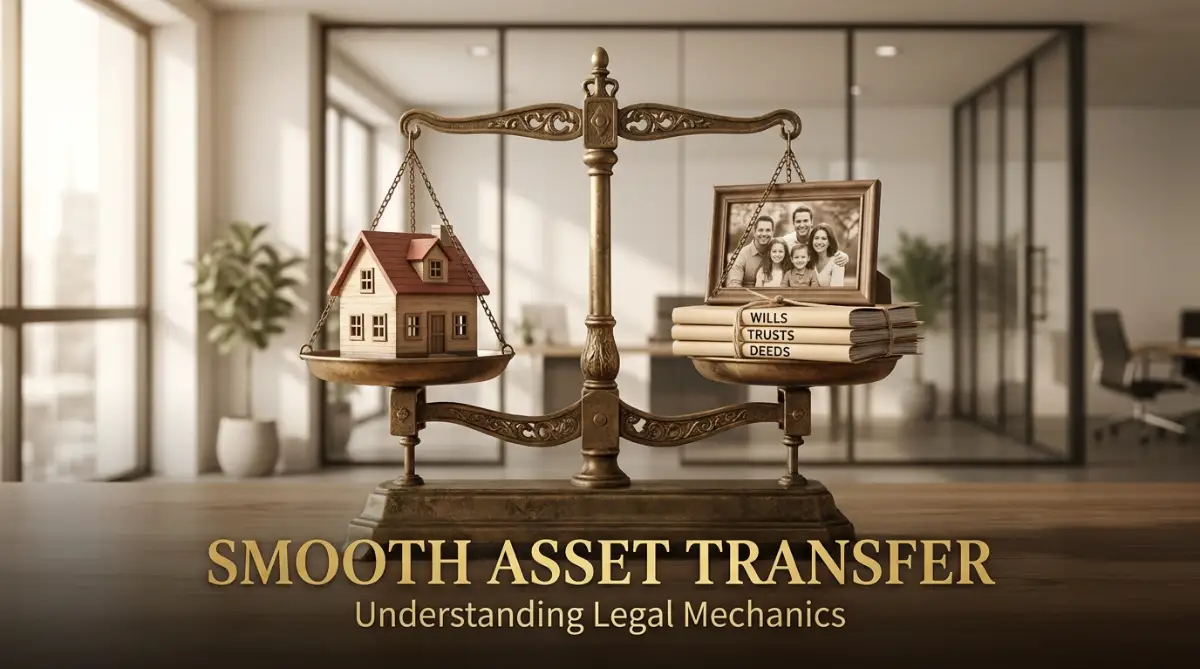
The Heartbreaking Legal Traps That Destroy Family Wealth
Even with the absolute best intentions, I have seen so many hardworking families accidentally ruin their entire financial legacy. The legal system is incredibly unforgiving if you make a slight misstep in your paperwork or your funding process. You must actively dodge these hidden pitfalls, or your family will end up paying the ultimate price in court fees and emotional trauma.
The Devastating "Empty Box" Syndrome
This is the single most common and destructive mistake people make in estate planning. They spend good money on a great lawyer, sign a beautiful stack of papers, and put the binder safely on a bookshelf. They feel totally relieved, thinking their family is completely protected.
However, they completely forget to transfer the actual title of their family home into the trust's name. They leave the house deed in their own personal name. When they eventually pass away, the beautiful legal box they built is sitting there completely empty.
Because the house was left outside the box, the grieving children are forced to drag the property through a brutal, expensive probate court process. The entire point of paying the lawyer was completely defeated by a simple lack of follow-through. You must aggressively verify that every single bank account, investment, and property deed is legally retitled.
Choosing the Wrong Backup Driver
Selecting a successor trustee is an incredibly heavy decision, and most people just default to picking their oldest child. This can easily turn into a massive family disaster if your oldest child is bad with money or highly disorganized. Managing an estate requires paying taxes, selling property, and distributing checks accurately.
If your trustee makes a sloppy mistake, they can actually be sued personally by the other siblings. The law places a very strict expectation on them. You can read exactly how heavy this responsibility is by looking at legal definitions of a fiduciary duty.
Do not pick a family member based on tradition or guilt. Pick the person who is the most organized, financially responsible, and emotionally stable under high pressure. If your kids are not ready for the job, you can easily hire a professional corporate trustee to manage everything fairly.
The Trap of DIY Internet Templates
We all love saving money, but downloading a cheap legal template from a random website is a massive gamble. The laws governing property and inheritance are totally different in every single state. A generic template might completely miss a specific local rule required to make the document valid in your county.
When you die, your family will discover that the cheap document is legally worthless. A judge will throw it out, and your entire estate will instantly fall into the slow public court system. When dealing with your family's entire net worth, trying to save a few hundred dollars is mathematically dangerous.
If you are worried about the high costs of local attorneys, you should look into safe, modern alternatives. Learning about the safe way to outsource legal drafting can connect you with proper professionals without the massive law firm price tag.
Ignoring the Reality of Blended Families
If you have been married more than once and have children from a previous relationship, your planning needs extreme attention to detail. I have seen incredibly sad situations where a father leaves everything to his second wife, assuming she will eventually pass the money down to his original children.
When the father dies, the second wife gains total legal control of the trust. She might get angry at her stepchildren and legally change the instructions to leave all the money to her own kids instead. The original children are left completely out in the cold with absolutely no legal recourse.
You must build specific "lock-in" mechanics for blended families. You can design the trust so your new spouse gets comfortable living expenses, but the main principal is legally locked and guaranteed to go to your original children. Never rely on verbal promises when you can rely on legally binding instructions.
Failing to Update After Major Life Seasons
A living trust is a living, breathing document, not a stone tablet. If your life changes significantly, your legal instructions must change immediately to match your new reality. People often get divorced, have a new baby, or lose a spouse, but they completely forget to call their lawyer.
Imagine naming your brother as your successor trustee, and then having a massive falling out with him five years later. If you forget to remove him from the document, he will legally step in and control your entire fortune when you die. Your grieving spouse will have to beg your estranged brother for money just to pay the heating bill.
Set a firm calendar reminder to sit down with a cup of coffee and read through your binder every single year. Make sure the people you trusted yesterday are still the exact people you trust today. Keeping an eye on general legal and financial updates will help you stay sharp and proactive.
Your Master Action Plan for Generational Peace
Navigating the hidden mechanics of property law might feel a bit overwhelming, but you now hold the exact blueprint to protect your loved ones. You understand how the empty security box works, why avoiding the public court system is a massive priority, and how to safely fund your assets. Most importantly, you know exactly how to avoid the devastating emotional traps that tear families apart.
The power to shield your hard-earned wealth is sitting right in your hands today. You do not have to leave your children’s financial destiny up to a random judge in a public courtroom. By setting up strict, loving guidelines, you can ensure your money actually helps your kids build a better life instead of causing unnecessary sibling rivalry.
Start your journey by making a simple list of everything you own and everyone you deeply trust. Then, reach out to a specialized professional to help you build your secure foundation properly the first time. The peace of mind you will feel walking out of that office is truly unmatched.
I know how scary it feels to think about leaving this world and abandoning the people you love the most. My own journey through a messy legal nightmare taught me that taking proactive steps today is the greatest final gift you can ever give your family. I highly encourage you to pick up the phone, make that initial appointment, and secure your family’s beautiful future right now.
Answers to Your Biggest Trust and Estate Concerns
Does a living trust help me avoid paying income taxes?
No, a revocable trust does not change your personal income taxes while you are alive. Because you still hold the key and control the assets, the government taxes you exactly the same as if you owned the property in your own name. Its main purpose is asset transfer and avoiding probate, not dodging annual income taxes.
Can I completely change my mind after I sign the paperwork?
Yes, absolutely. The word "revocable" literally means you can change, amend, or completely destroy the entire document at any time while you are mentally capable. You are never permanently locked into your decisions if your family situation suddenly shifts.
What is the actual difference between a will and a living trust?
A will only goes into effect after you die and guarantees your family will have to go through the public probate court process. A living trust goes into effect the moment you sign it, helps manage your assets if you become incapacitated, and completely bypasses the probate court when you pass away.
Do I still need an attorney if I only have a very small estate?
While massive estates absolutely require a complex trust, smaller estates might actually qualify for a simplified small-estate process depending on your specific state laws. However, speaking with an attorney for a quick consultation is always highly recommended to see if the cost of a trust outweighs the future court fees for your specific situation.
Will my surviving spouse suddenly lose control of our money?
Not at all. If you set up a joint family trust with your spouse, you are both considered co-managers of the security box. When one of you passes away, the surviving spouse simply continues to hold the key and manage the money without any stressful court interruptions.
Disclaimer: The information provided in this article is strictly for educational and informational purposes only and does not constitute professional financial or legal advice. Every individual's financial situation is entirely unique, and estate laws vary heavily by location. You should always consult with a certified, independent financial advisor or legal professional before making any major decisions regarding property wealth, trusts, or estate planning. We are not responsible for any financial losses or damages resulting from the use of this information.