
Why Your Face Feels Like It Is Constantly Burning (My Personal Nightmare)
I remember waking up one morning, splashing regular tap water on my face, and feeling an intense, burning sting. My face looked angry, red, and felt as tight as a stretched balloon. I panicked and applied my favorite gentle moisturizer, hoping for quick relief.
Instead of soothing my skin, the cream made the burning sensation ten times worse. I stared at the mirror, completely frustrated and on the verge of tears. I had no idea what was happening to my face.
Every single product I owned suddenly felt like pure acid on my skin. I was dealing with a severely damaged skin barrier, and I honestly felt completely hopeless.
This invisible shield on our face is something we mostly take for granted. We scrub, we peel, and we layer strong ingredients hoping for flawless results. But when that shield finally breaks, your daily life turns into a miserable cycle of discomfort.
You can barely smile because your cheeks feel so dry and tight. Red, blotchy patches show up randomly, making you feel incredibly self-conscious in public. You start avoiding social gatherings because people keep asking if you spent too much time in the sun.
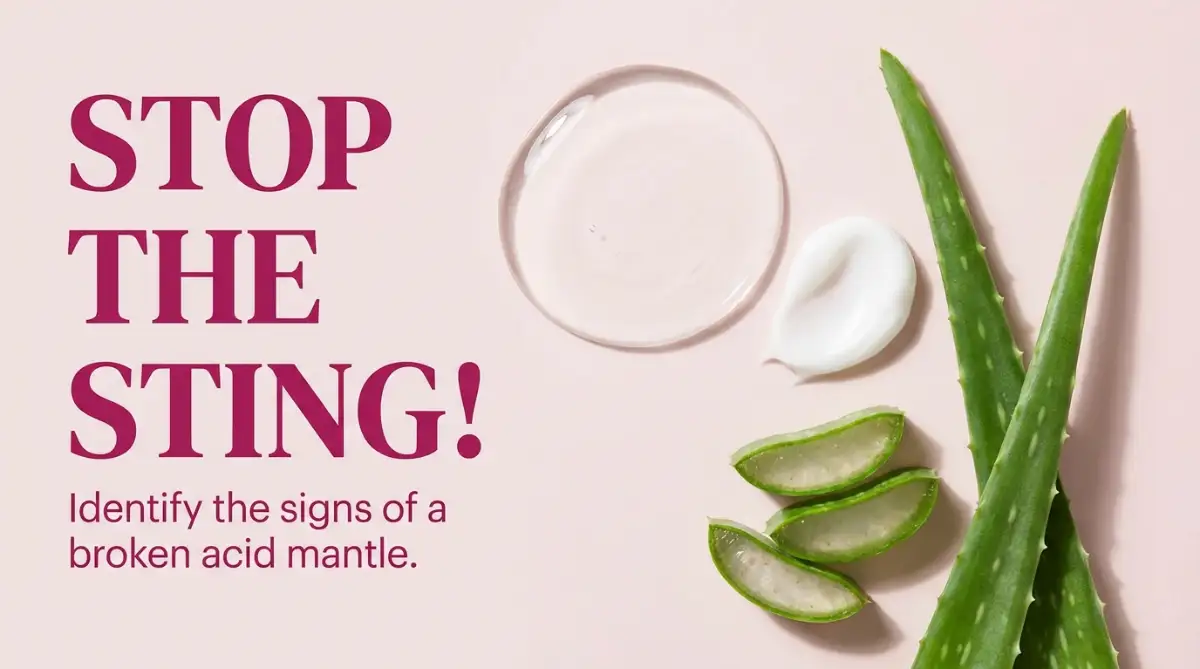
The worst part is the absolute confusion and mental exhaustion. You spend hours reading online forums, trying to figure out why your skin is suddenly rejecting everything. Your confidence drops to zero, and the constant physical itching and stinging make it hard to even focus on your work.
If you are going through this exact nightmare right now, please take a deep breath. I know exactly how scary and overwhelming this feels. You are not stuck like this forever, and your skin is incredibly smart. We just need to give it the right tools, and a little bit of time, to rebuild itself from the ground up.
The Simple Science Behind Your Skin's Natural Shield
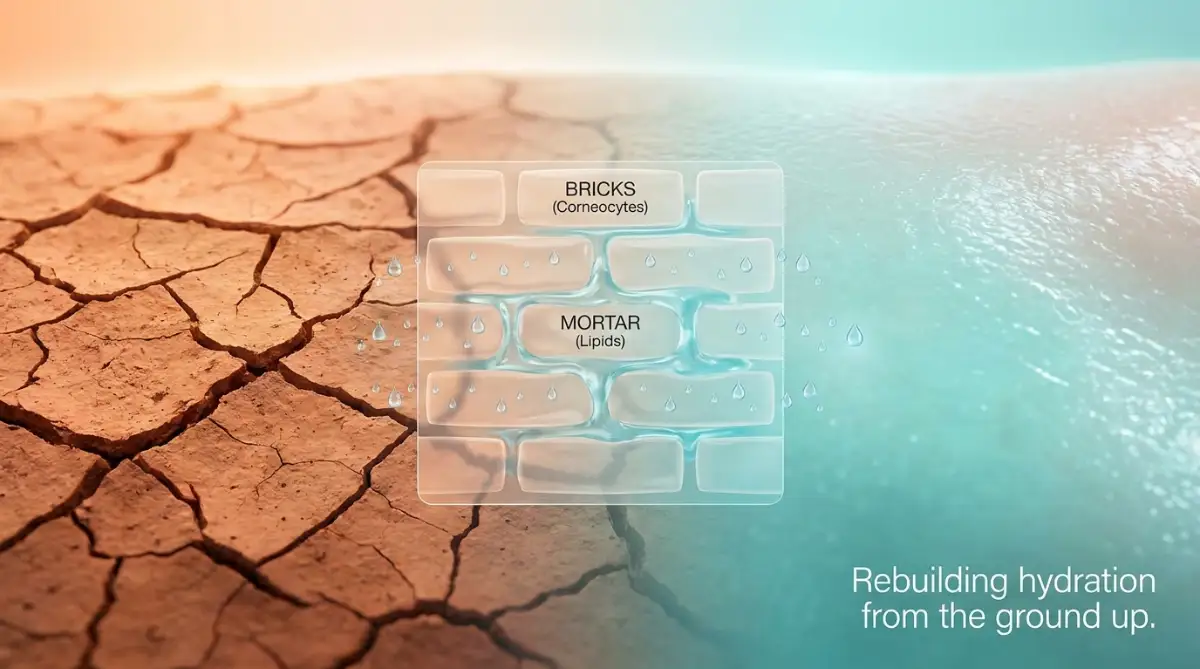
Before we start fixing things, we need to understand what actually broke. Imagine your skin as a strong, protective brick wall holding a beautiful house together.
The bricks are your skin cells. The mortar holding those bricks together consists of natural fats, like ceramides, cholesterol, and fatty acids. This wall has two main jobs to do every single day.
First, it keeps the good stuff securely locked inside. It traps moisture and hydration so your face stays plump, soft, and bouncy. Second, it keeps the bad stuff out. It completely blocks pollution, harmful bacteria, and everyday irritants from entering your body.
When you over-exfoliate, use harsh soaps, or face extreme weather changes, you are basically stripping away that protective mortar. The bricks start falling apart.
Suddenly, all your natural hydration evaporates into the thin air. This rapid water loss is exactly why your face feels unbearably tight and dry. At the same time, microscopic irritants easily enter the deep layers of your skin, causing that horrible stinging and redness.
Recognizing the Silent Warning Signs
Sometimes, a compromised acid mantle does not happen overnight. It slowly builds up over weeks of bad habits.
You might notice that your face gets shiny very quickly, but it still feels tight underneath. This is a classic sign of surface dehydration. Your body pumps out extra oil to compensate for the extreme lack of water.
You might also see tiny, rough bumps appearing along your jawline and forehead. These are not typical acne breakouts. They are deep irritation bumps caused by a disrupted pH balance.
Watch This Quick Visual Guide to Identify Barrier Damage:
If you are still unsure whether you are dealing with regular dryness or a completely broken barrier, you need to watch this short, eye-opening breakdown. It perfectly explains the hidden red flags your face is sending you right now!
The "Skin Fasting" Reset Strategy
When your skin is in a state of high alert, doing less is actually doing more. The biggest mistake people make is buying ten new "soothing" products and layering them all at once.
Your skin is currently injured. If you sprain your ankle, you do not immediately start running on a softer track. You stop running completely and let it rest.
We need to put your face on a strict, minimalist diet. This means putting away all your active ingredients for at least three to four weeks.
Store away your Vitamin C serums, your retinol creams, and your chemical exfoliants. Hide your spinning cleansing brushes and rough physical scrubs. Right now, your only goal is deep hydration and extreme protection.
I used to think applying thick, heavy creams over dry, flaky skin would fix the texture instantly, but I quickly realized my mistake. My barrier only started healing when I applied moisturizers on damp skin right after washing, locking the water in before it could escape.
The Step-by-Step Morning Recovery Routine
Mornings should be completely effortless when you are in recovery mode. We want to avoid stripping any natural oils that your skin worked so hard to produce overnight.
Step 1: The Water-Only Cleanse
Skip your foaming face wash completely in the morning. Simply splash your face with lukewarm water.
Do not use hot water, as heat causes more inflammation and redness. Do not use freezing cold water either, because extreme temperatures shock your delicate skin. After splashing, gently pat your face with a clean, soft microfiber towel.
Leave your skin slightly damp. Do not rub it completely dry.
Step 2: The Hydration Layer
While your face is still damp, apply a simple, gentle hydrating serum or essence. Look for basic ingredients like glycerin or hyaluronic acid.
These ingredients are humectants. They act like tiny water magnets, grabbing moisture from the air and pulling it into your skin cells.
Step 3: The Protective Seal
Immediately follow up with a plain, fragrance-free moisturizer. This acts as the new "mortar" for your broken brick wall.
Your moisturizer should ideally contain ceramides. Ceramides naturally make up about fifty percent of your skin barrier. By applying them topically, you are giving your skin the exact building blocks it needs to repair itself.
Step 4: The Non-Negotiable Shield
Finally, apply a mineral sunscreen with zinc oxide or titanium dioxide. A broken barrier leaves you extremely vulnerable to sun damage.
Mineral sunscreens are usually better for irritated faces because they sit on top of the skin and reflect UV rays. Chemical sunscreens absorb the rays and turn them into heat, which can trigger more burning and stinging for highly sensitive individuals.
The Gentle Evening Repair Process
Your evening routine is where the real healing magic happens. Your body naturally repairs damaged cells while you sleep, so we want to support that natural process.
Step 1: The Soft Removal
You need to remove your sunscreen and daily dirt, but you must do it gently. Use a fragrance-free cleansing balm or a basic micellar water.
If you use micellar water, soak a very soft cotton pad and press it against your skin for a few seconds. Let the liquid dissolve the dirt. Do not drag or aggressively rub the pad across your cheeks.
Step 2: The Cream Cleanse
Follow up with a non-foaming, milky, or cream-based cleanser. Foaming cleansers often contain surfactants that strip natural oils, leaving you feeling squeaky clean.
"Squeaky clean" is actually a terrible sign. Your face is not a kitchen plate. It should feel soft and conditioned after washing, never tight.
Step 3: The Moisture Sandwich Method
This is a game-changing technique for severe dryness. Apply your gentle hydrating serum on damp skin, just like in the morning.
Then, apply a medium-weight ceramide moisturizer. Let it sink in for about two minutes.
Finally, apply a very thin layer of a healing ointment, like plain petroleum jelly, over the driest, most irritated patches. This technique is called "slugging."
The ointment acts as an invisible, breathable band-aid. It traps 99% of the water inside your skin overnight, creating the perfect humid environment for cellular healing.
Myth vs. Reality: Understanding Barrier Care
When you are desperately searching for relief, it is incredibly easy to fall for bad advice. Let's clear up some common misunderstandings so you stop wasting your money and hurting your face.
By simply changing your mindset around these common myths, you save yourself weeks of unnecessary pain. We often think that taking action means doing more, scrubbing harder, and applying stronger things.
In reality, healing requires immense patience. It requires you to step back and trust your body's natural repair mechanisms.
How Long Does The Healing Process Actually Take?
This is the most common question I hear, and the answer requires a bit of honesty. There is no overnight miracle cream.
If your damage is very mild, you might stop feeling the tightness within three to four days of starting the minimalist routine. The redness might calm down, and your makeup will start sitting nicely again.
However, if your barrier is severely damaged from months of over-exfoliating, complete repair takes significantly longer. A full, healthy skin cycle takes about twenty-eight days for an average adult.
You need to commit to this gentle, boring routine for at least one full month. I know it sounds frustrating when you want clear, glowing skin tomorrow.
But think about the long-term benefits. Once you fix the foundation of your house, everything else works better. When your barrier is finally strong again, your face will naturally look more radiant, and you will barely need to use heavy makeup.
Navigating the Emotional Toll of Skin Issues
We rarely talk about how deeply skin problems affect our mental health. It is not just about vanity.
When your face hurts every time the wind blows, or when you cannot comfortably sleep on your side because the pillowcase irritates your cheek, it drains your daily energy. It is completely normal to feel angry at yourself for trying that harsh new scrub.
Forgive yourself. The beauty industry constantly pushes us to buy stronger, faster-acting products. We are conditioned to believe that our natural skin is flawed and needs aggressive fixing.
Take this healing period as a lesson in self-care. You are learning to listen to your body's signals.
When your skin feels tight, it is asking for water. When it turns red, it is asking for rest. Learning this language now will give you beautiful, healthy skin for the rest of your life.
As we move forward into the next phase of recovery, we will explore exactly which ingredients to look for on product labels. You will learn how to read an ingredient list like a professional, so you never accidentally buy a hidden irritant again.
Keeping Your Moisture Shield Strong For Good
Fixing the immediate burning sensation is only half the battle when it comes to facial care. Once your face finally stops stinging, you have to transition into a long-term maintenance mindset.
Many people make the huge mistake of immediately going back to their old, harsh routines. You have to remember that newly healed skin is incredibly fragile.
Think of your newly repaired acid mantle like wet cement on a sidewalk. It might look solid on the surface, but if you step on it too early, you will leave deep footprints.
You need to wait at least another full month before even thinking about introducing active ingredients. When you finally decide to use that chemical exfoliant again, you must start incredibly slow.
Use your actives only once a week, and always buffer them with a gentle moisturizer. Buffering simply means applying your thick cream first, and then putting your active serum on top.
This simple technique slows down the absorption rate of the strong acids. It gives you the glowing benefits without aggressively shocking your freshly healed cells.
Building this new, gentle routine requires immense patience and empathy for yourself. It is very much like learning how to train an anxious dog without breaking their spirit; you have to move slowly and build trust over time.
The Hidden Impact of Your Daily Environment
Your skincare products are not the only things affecting your daily recovery. The environment you live and sleep in plays a massive role in transepidermal water loss.
This is a scientific term for the water that naturally evaporates from your face into the dry air around you. According to clinical studies on epidermal barrier function, low humidity environments can actively delay the cellular repair process.
If you sleep with the air conditioning blasting all night, you are basically sucking the moisture right out of your pores. The same thing happens in the winter when you turn on your indoor heating systems.
Pro Tip: I highly recommend buying a cheap, basic humidifier and placing it right next to your bed while you sleep. I noticed a massive difference in my morning skin texture once I started controlling my bedroom's humidity levels.
Feeding Your Face From the Inside Out
Topical creams can only do so much if your body lacks the internal building blocks to repair itself. Your skin needs healthy fats to create the lipid matrix that holds your cells together.
You should intentionally increase your daily intake of omega-3 fatty acids during your recovery phase. Salmon, walnuts, and chia seeds are fantastic, natural sources of these essential fats.
Think of these foods as the internal mortar for your protective brick wall. When you eat them regularly, your body pushes those healthy oils up to the surface layer.
You also need to drastically increase your daily water intake. Drinking water will not magically cure a dry patch overnight, but severe dehydration makes healing almost impossible.
A well-hydrated body easily flushes out inflammatory toxins. It ensures your newly forming skin cells are plump and healthy before they even reach the visible surface.
The Disastrous Habits Ruining Your Progress
When we are desperate to fix something, we often panic and make highly emotional decisions. This panic leads to some terrible habits that completely reset all your hard work.
The most common trap people fall into is blindly trusting the "all-natural" skincare trend. We assume that if an ingredient comes directly from a plant, it must be safe and healing.
This could not be further from the truth. Essential oils, like lavender, citrus, and peppermint, are highly concentrated plant chemicals.
When you apply these fragrant oils to a broken acid mantle, they cause severe contact dermatitis and allergic reactions. According to guidelines on managing contact dermatitis, heavily fragranced botanical products are a leading cause of sudden facial swelling.
Failing to read your ingredient labels closely can lead to absolute disaster. Missing these hidden chemical warnings is exactly like falling into the hidden legal traps that can destroy your new startup overnight.
The Melted Butter Shower Mistake
Another terrible habit is taking long, steaming hot showers. When your body is tired, a hot shower feels amazing on your muscles.
However, hot water is the absolute worst enemy of your natural lipid barrier. Imagine putting a solid stick of butter under hot running water.
The butter instantly melts and washes down the drain. The exact same thing happens to the precious ceramides and fatty acids on your face.
You must switch to lukewarm water, especially when washing your hair, because shampoo run-off can further strip your face. If you love hot showers, keep your face completely out of the direct water stream.
The Danger of Picking and Peeling
When your barrier is severely damaged, you will inevitably experience flaking and peeling around your nose and mouth. Looking in the mirror and seeing those dead skin flakes is incredibly frustrating.
You might feel an overwhelming urge to grab a rough towel and scrub the flakes away. You might even use your fingernails to pick at the loose edges.
Never pick at your peeling face. Those flakes are acting as tiny, temporary bandages protecting the raw, injured tissue underneath.
If you rip them off before they are naturally ready to shed, you expose raw nerves to the open air. This guarantees more redness, prolonged stinging, and even permanent hyperpigmentation scars.
Instead of scrubbing, you must soften the flakes with a heavy layer of your ceramide cream. Let the dead cells fall off on their own timeline, usually while you are gently cleansing in the evening.
Relying on Expensive Miracle Creams
The beauty industry loves to prey on our insecurities and our desperate need for a quick fix. You will see thousands of targeted ads promising to cure your redness with a single fifty-dollar serum.
You might think your current expensive cream is protecting you, but you should question it. This false sense of security is very similar to finding out the truth about employer-sponsored insurance.
More expensive definitely does not mean more effective when it comes to barrier repair. In fact, most luxury creams are packed with unnecessary artificial dyes and strong perfumes to justify their high price tag.
Your injured face hates perfumes and dyes. You actually need the most boring, basic, and affordable drugstore ointments available on the market.
Look for thick, unglamorous tubs of cream that are specifically marketed for sensitive baby skin or severe eczema relief. These humble products contain the heavy-duty occlusive ingredients recommended by dermatologists to stop rapid water loss.
Your Action Plan For Tomorrow Morning
You now have all the scientific knowledge and practical steps to take complete control of your situation. You no longer have to guess why your face feels tight or why your favorite lotion burns.
Starting tomorrow morning, you are going to put all your fancy serums, scrubs, and toners in a dark drawer. You are going to wash your face with nothing but lukewarm tap water.
You will apply your gentle moisturizer while your skin is still damp to lock in maximum hydration. You will strictly protect your face with a mineral sunscreen before stepping outside.
Being prepared with this gentle, predictable routine acts as a safety net for your future health. It is much like knowing how to buy the best travel insurance for pre-existing conditions before taking a major trip.
If you want to read more about building a healthy, stress-free lifestyle, you can always explore our latest lifestyle guides on the main page. Healing your body is a journey, and having the right information makes all the difference.
Burning Questions About Acid Mantle Healing
Can I still wear makeup while my face is healing?
It is highly recommended to avoid heavy foundation and concealer during the first two weeks of recovery. Makeup requires double-cleansing to remove, which causes unnecessary rubbing and irritation on fragile cells. If you must wear makeup for work, stick to a very light, hydrating skin tint.
Why does my regular moisturizer suddenly burn?
When your natural protective shield is broken, microscopic tears form on your skin's surface. Your regular moisturizer likely contains mild preservatives or fragrances that usually sit harmlessly on top of healthy skin. Now, those chemicals are seeping directly into those micro-tears and hitting raw nerve endings.
How do I know when my skin is finally healthy again?
You will easily notice the changes when you wake up in the morning. Your face will no longer feel tight or stretched before you even apply your morning products. The redness will fade, and water will no longer cause a stinging sensation.
Will drinking lots of water fix my dry patches faster?
Drinking water is amazing for your overall internal health, but it will not magically cure external dry patches. Your body prioritizes sending water to your major organs first, so your skin gets whatever is left over. You must combine internal hydration with topical occlusive creams to trap the moisture effectively.
Should I use hyaluronic acid if I live in a dry climate?
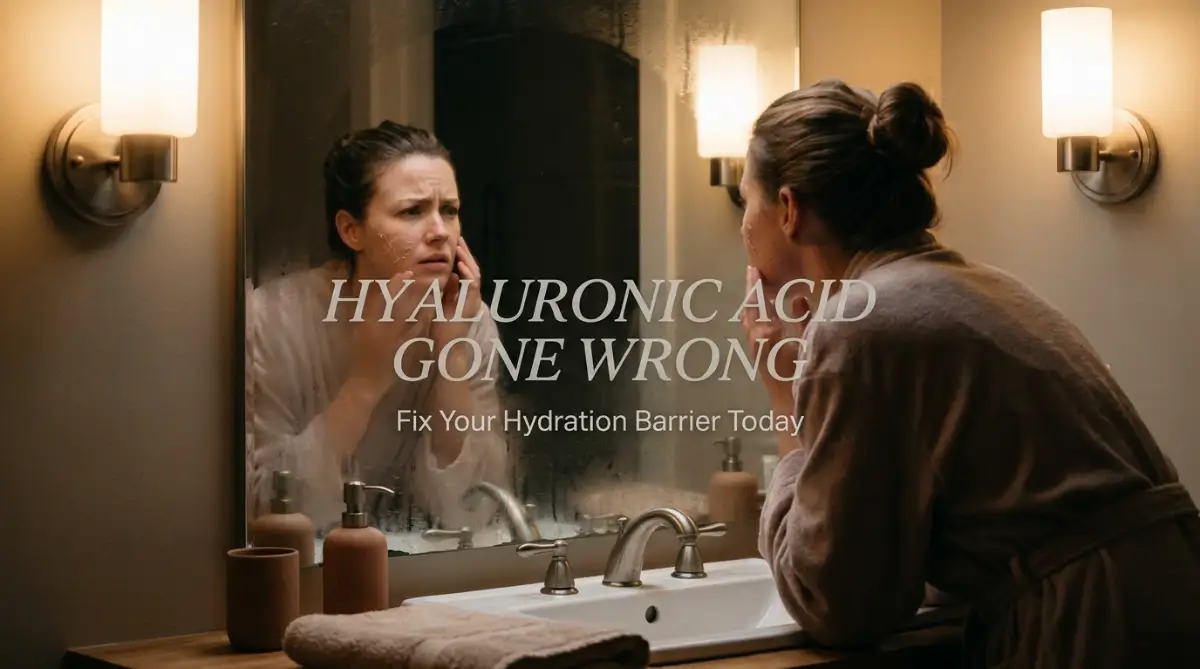
Hyaluronic acid can actually backfire if you live in a very dry desert or use heavy indoor heating. Because there is no moisture in the air to grab, it will pull the deep water out from your own skin cells instead. If you use it in a dry climate, you must immediately seal it with a very thick, heavy ointment.
I know exactly how depressing it feels to look in the mirror and not recognize the irritated face staring back at you. Please trust me when I say that your skin is incredibly resilient, and this current pain is only temporary. Stick to the boring, gentle basics we discussed, give yourself some grace, and you will get your beautiful, healthy glow back very soon.
Disclaimer: The information provided in this blog post is for educational and informational purposes only and does not constitute medical advice. I am sharing my personal experiences and general knowledge regarding skincare routines. Always consult with a board-certified dermatologist or healthcare professional before starting any new treatments, especially if you are experiencing severe pain, infection, or chronic skin conditions.
![Ultimate Guide to Reversing Premature Facial Aging From Bad Sleep [Blueprint]](https://infozonee.com/storage/uploads/blogs/1786023680_ultimate-guide-to-reversing-premature-facial-aging-from-bad-sleep-blueprint.webp)