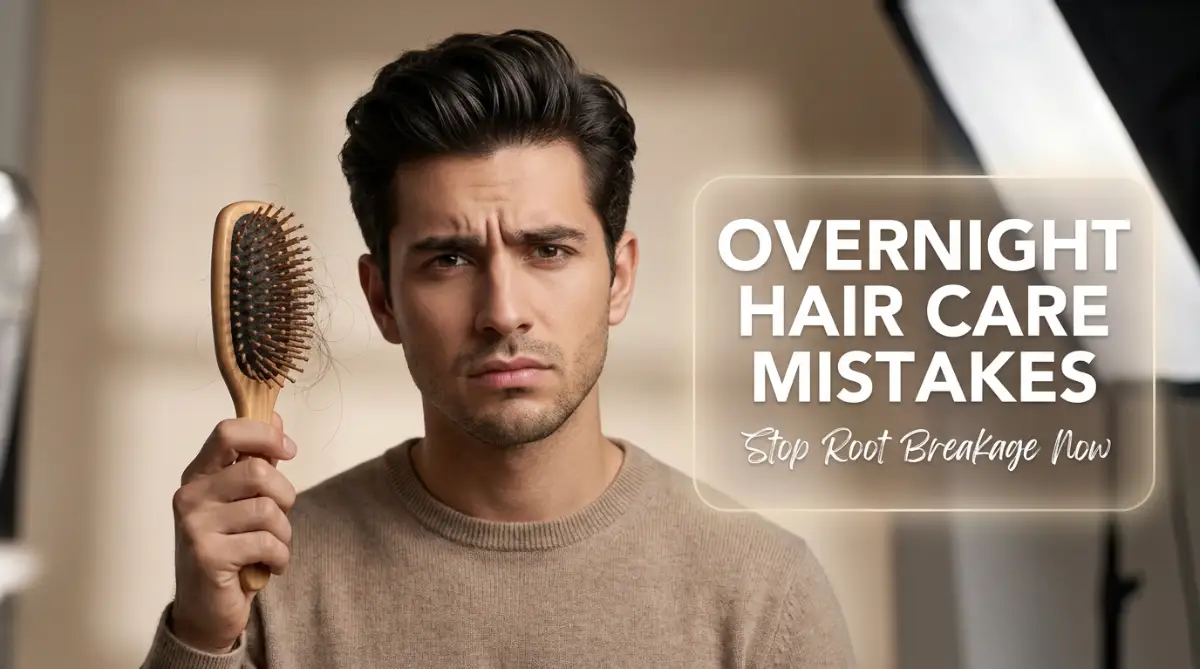
The Silent Struggle On Your Pillowcase
I remember waking up one morning, looking at my pillow, and feeling a sudden drop in my stomach. There were loose strands scattered all over the white fabric, staring right back at me. I immediately rushed to the bathroom, ran my fingers through my scalp, and noticed even more hair falling out effortlessly.
I was completely freaking out. I tried switching to expensive shampoos like Olaplex, thinking my daily wash routine was the problem. I even started popping pricey Nutrafol vitamins, hoping they would magically fix the sudden thinning near my roots. But absolutely nothing changed. It is so incredibly frustrating when you are desperately trying to find morning hair loss causes and everything you try just fails.
It took me months of endless frustration to realize the actual damage was happening while I was fast asleep. My completely normal nighttime habits were quietly destroying my roots, and I had absolutely no idea. I was literally snapping my own hair every single night without even trying.
If you are waking up with extra strands on your bed sheets, you probably know exactly how this feels. It is mentally exhausting to brush your hair in the morning and see small clumps getting stuck in the bristles. You start feeling anxious every time you step into the shower.
Washing your hair becomes a scary task because you constantly worry about how much will wash down the drain. This daily stress quietly eats away at your confidence and peace of mind. You start wearing hats more often or tying your hair up just to hide the thinning spots.
You spend hours looking in the mirror, wondering what you are doing wrong. The worst part is that your family and friends might just brush it off as normal shedding. But deep down, you know something is terribly wrong with your scalp health.
The reality is, most of us completely ignore what happens to our heads during those eight hours of sleep. We spend so much money on daytime serums and conditioners. Yet, we throw all that effort away the moment our head hits the bed.
Uncovering The Hidden Bedtime Hair Destroyers
Let us look closely at what actually happens in the dark when you close your eyes. Your hair goes through a lot of physical stress during the night. We need to identify these hidden problems so you can finally stop the random shedding.
The Rough Cotton Trap
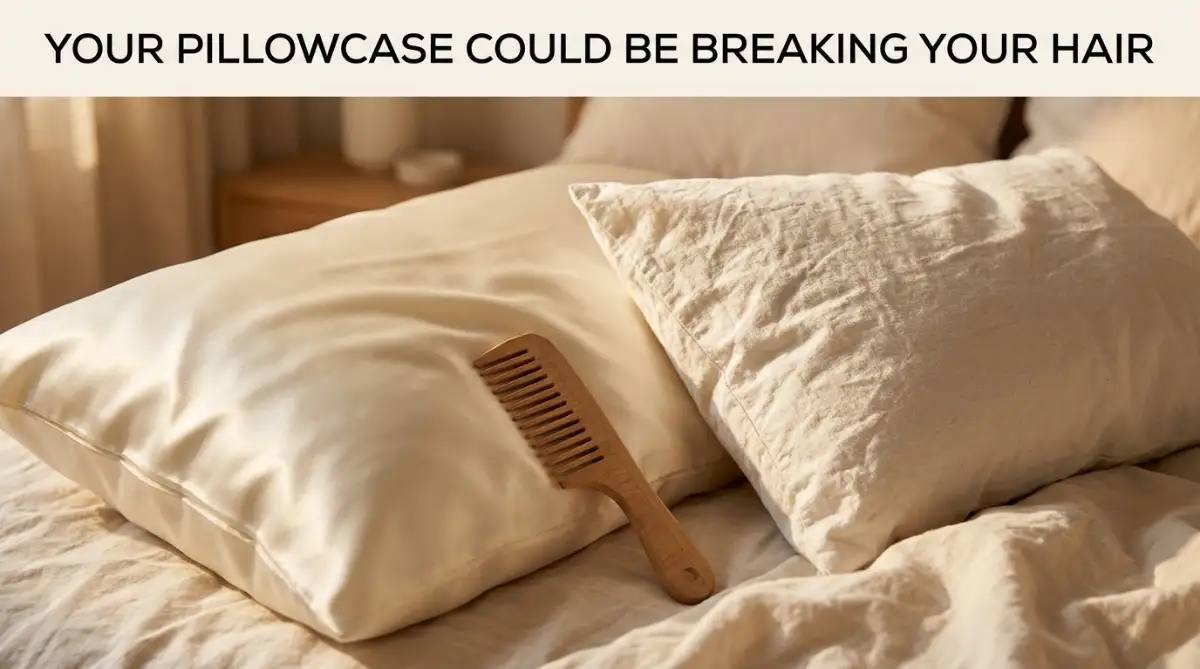
Most of us grew up sleeping on standard cotton pillowcases because they are comfortable and affordable. But cotton is actually highly absorbent and naturally rough on a microscopic level. When you toss and turn in your sleep, your hair rubs against this rough fabric continuously.
Your standard cotton pillowcase acts like sandpaper on your fragile strands. Every time you toss and turn, it aggressively roughs up the hair cuticle. I used to think silk pillowcases were just an overpriced aesthetic trend on TikTok, until I finally bought a Kitsch satin pillowcase on a whim. The cotton was literally drinking up all my expensive leave-in conditioners. If you are serious about preventing hair breakage at night, ditching cotton is step one. You wake up with dry, frizzy ends and weakened roots that break off at the slightest touch.
Pro Tip: I used to think silk pillowcases were just an unnecessary luxury item for rich people, until I finally bought a cheap satin one. Within just three days, I noticed a massive drop in morning frizz, and my brush had significantly less broken hair in it. You do not have to spend a fortune; even a basic satin cover will change your life.
Going to Sleep with Damp Roots
This is probably one of the most common habits people have after a long, tiring day. You take a relaxing evening shower and jump straight into bed with damp hair. It feels refreshing in the moment, but it is a massive disaster for your scalp health.
When your hair is wet, it stretches much easier than when it is dry. It becomes incredibly fragile, almost like a weak rubber band that is pulled too tight. The moment you roll over in your sleep, that stretched wet hair simply snaps off under the pressure.
Stop doing this immediately:
Are you guilty of sleeping with wet hair? Watch this quick explanation of what happens to your roots.
Going to bed with a wet head creates a gross, damp environment right against your pillow. This is the absolute perfect breeding ground for fungal overgrowth and severe dandruff, which weakens the root and makes your hair fall out. The link between sleeping with wet hair hair loss is incredibly real. If you are exhausted and must wash your hair at night, do not just rub it with a regular bath towel. Use an Aquis microfiber towel to gently squeeze out the moisture, or give your roots a quick blast with a hair dryer on the cool setting before your head hits the pillow.
The Tight Topknot Disaster
Many people love tying their hair up at night to keep it off their face and neck. A tight bun or a high ponytail might feel secure, but it puts intense physical pressure on your front hairline. This constant pulling is a fast track to a medical condition called traction alopecia.
Your roots need to rest and breathe just like the rest of your body during the night. When you tie your hair back tightly, you are forcing the roots to stay under tension for eight straight hours. Over time, the hair follicle becomes inflamed, gives up, and simply lets go of the hair.
Instead of regular elastic bands, you should switch to something much softer. A loose braid at the base of your neck is a fantastic alternative for keeping things tidy. It keeps your strands together without pulling on the delicate hairs around your forehead.
If you prefer keeping it up, use a very large, soft silk scrunchie. Wrap it loosely just one time so there is absolutely no pulling sensation on your scalp. You should barely feel the hair tie holding things in place.
Skipping the Evening Detangling Session
We often brush our hair in the morning to make it look presentable for the day. However, we completely forget to brush it again before we go to sleep. Throughout the day, your hair collects dust, sweat, and tiny hidden tangles from wind and movement.
If you sleep on hair that is already tangled, those small knots will turn into massive mats by morning. When you try to aggressively brush out those morning knots, you end up ripping the hair straight from the root. This is where a lot of unnecessary thinning comes from.
Taking just two minutes to gently brush your hair before bed can save you hundreds of lost strands. You should always start brushing from the very bottom ends of your hair and slowly work your way up. This prevents you from pushing small knots down into a bigger, impossible mess.
Using a wide-tooth comb or a flexible detangling brush is the safest option for this evening routine. Avoid rigid plastic brushes with tiny balls on the ends, as they tend to catch and rip fragile strands. Be gentle and treat your hair like an expensive piece of jewelry.
Heavy Oils Clogging Your Scalp
There is a popular belief that soaking your head in heavy oils overnight will make your hair grow faster. People drench their scalp in castor oil or heavy coconut oil and leave it on until morning. While oils can be nourishing, leaving heavy ones on the scalp all night is a terrible idea.
Your scalp naturally produces its own healthy oils called sebum to protect the skin barrier. When you add a thick layer of external oil, you completely block your hair follicles from breathing. This causes dead skin cells and sweat to get trapped underneath the oil layer.
This suffocating environment often leads to itchy scalp bumps and severe root inflammation. Inflamed roots cannot hold onto hair properly, leading to sudden and unexplained shedding. Instead of heavy overnight treatments, try applying oil just two hours before your regular shower.
If you really want to moisturize overnight, focus only on the very ends of your hair. Your ends are the oldest and driest part of the hair shaft, so they need the extra love. Keep the heavy products far away from your sensitive scalp while you sleep.
Myth vs Reality: The 100 Brush Strokes
You have probably heard the old advice that brushing your hair 100 times before bed makes it shiny and healthy. This is a massive myth that is actively destroying people's hair volume.
The Myth: Brushing aggressively moves natural oils down the hair and stimulates maximum growth.
The Reality: Excessive brushing causes unnecessary friction, physically wearing down the outer layer of the hair. It physically yanks healthy hair out of the follicle before its natural resting phase.
You only need to brush your hair until the tangles are completely gone. Once your comb glides through smoothly, you must immediately stop brushing. Anything more than that is just causing hidden mechanical damage to your roots.
Ignoring the Bedroom Environment
We rarely think about the air inside our bedrooms when it comes to personal grooming. However, the climate of your room plays a massive role in how much hair you lose. Using artificial heaters or sleeping in heavily air-conditioned rooms strips all the moisture from the air.
When the air is perfectly dry, it forcefully pulls moisture out of your skin and your hair shafts. You wake up with a dry, tight scalp and strands that feel like brittle straw. Brittle hair has zero elasticity, meaning it will snap the second you try to style it.
Adding a simple bedside humidifier can completely change the health of your scalp. It keeps the bedroom air properly balanced, allowing your hair to retain its natural water content. Plus, your skin will look beautifully hydrated in the morning as an added bonus.
The Chemical Leftovers
Another huge mistake is going to sleep with heavy styling chemicals still sitting on your head. Hairspray, dry shampoo, and strong holding gels are meant for temporary daytime use only. They contain drying alcohols and stiffening agents that make the hair hard and completely inflexible.
When you sleep on hair coated in stiff hairspray, the strands cannot bend naturally as you move. Instead of bending, the hardened hair simply breaks in half under the weight of your head. Dry shampoo is even worse because it clogs the pores on your scalp overnight.
If you use heavy styling products, you must wash them out before your head hits the pillow. If washing is not an option, gently brush out as much of the product as humanly possible. Never let your hair stay locked in a stiff, chemical state while you try to rest.
Creating a Peaceful Pre-Sleep Routine
Protecting your hair is not just about avoiding bad habits; it is about building a proactive routine. Just like you have a skincare routine for your face, you need a basic evening routine for your scalp. It does not have to be complicated or take up much of your time.
Start by lightly massaging your scalp with your bare fingertips for about two minutes. This gentle movement increases healthy blood circulation right at the root level. Good blood flow brings fresh oxygen and nutrients directly to the hair follicles, keeping them strong.
Next, apply a very lightweight, water-based hydrating mist to the middle and ends of your hair. This locks in a little bit of safe moisture without making the roots heavy or greasy. Finally, put your hair into its safe, loose nighttime style.
This simple five-minute routine tells your brain it is time to relax while actively protecting your volume. You will slowly start noticing fewer broken pieces on your pillow and a much fuller hairline. Consistency is the secret ingredient here; you have to protect your hair every single night.
We often forget that our hair is completely helpless while we sleep. It relies on us to set up a safe environment before we drift off. Making these small, intentional changes will protect the hard work you do during the day.
You do not need to buy incredibly expensive treatments to stop morning hair fall. You just need to stop the mechanical damage that is happening right under your nose. Your bed should be a place of recovery for your body, not a danger zone for your roots.
By simply swapping your pillowcase, dropping the tight hair ties, and drying your hair properly, everything changes. You will slowly regain the confidence that comes with brushing healthy, strong hair in the morning. It takes a little bit of patience, but waking up to a clean, hair-free pillow is completely worth it.
Deep Dive Into Pro-Level Hair Protection Strategies
Now that we understand the hidden enemies in our bedroom, it is time to upgrade our strategy. You do not just want to stop the damage; you want to actively encourage healthy growth while you sleep. Over the years, I have tested dozens of different nighttime routines to see what actually works.
Most people think throwing a random mask on their head will solve everything. But true hair health comes from understanding how your specific scalp reacts to different environments. Let us look at some highly effective secrets that most beauty brands will never tell you.
First, we need to talk about the difference between hydration and moisture sealing. If your hair feels like rough straw, applying a heavy oil will not fix the dryness. Oil does not provide water; it simply locks in whatever is currently inside the hair shaft.
If your hair is already bone dry, adding oil just traps the dryness inside. Instead, you need to lightly mist your hair with plain water or a water-based leave-in conditioner first. Once the hair is slightly damp and flexible, you can add a tiny drop of lightweight oil to the ends to lock that moisture in.
This simple two-step process completely changed how my hair feels in the morning. Your strands will slowly absorb that trapped water overnight, leaving them incredibly soft by sunrise. Think of it like giving a dying plant a drink of water before putting it in a greenhouse.
Another major secret is paying attention to where you actually place your head on the pillow. Most of us sleep directly on the back of our heads, causing severe friction at the nape of the neck. This constant pressure is why the hair underneath your crown is often the shortest and most damaged.
If you sleep on your back, try gathering your loose braid and pulling it gently over your shoulder. This keeps the bulk of your hair completely away from the heavy pressure of your skull. By moving the hair to the front, you create a smooth, flat surface for the back of your head to rest on.
We also cannot ignore late-night stress eating. Bingeing on high-sugar snacks right before bed causes a massive blood sugar spike, triggering inflammation throughout your entire body—including your scalp. When your scalp is inflamed, the hair follicles literally tighten up and drop the hair strand prematurely. Try drinking a warm glass of chamomile tea instead of reaching for that late-night ice cream. Maintaining a balanced diet for healthy hair growth is just as important as the serums you put on the outside. What you put into your body fuels the tiny blood vessels feeding your roots.
Another game-changing tip is to invest in a high-quality silk sleep cap or bonnet. Even if you have a satin pillowcase, a bonnet keeps your hair completely contained in one safe space. It prevents you from accidentally pulling on your own hair with your arms while you shift in your sleep.
When choosing a sleep cap, make sure the elastic band is wrapped in silk, not exposed rubber. An exposed elastic band will aggressively rub against your hairline, causing the exact damage you are trying to avoid. You want the cap to sit comfortably on your forehead without leaving any red marks when you wake up.
I know wearing a bonnet might feel a little strange or look funny at first. But trust me, waking up with perfectly smooth, tangle-free hair is completely worth the adjustment period. You will save so much time in the morning because your hair is basically already styled and ready to go.
Finally, let us discuss the importance of scalp temperature regulation during the night. If you sleep in a very hot room, your scalp is going to sweat profusely while you dream. Sweat contains high amounts of natural salt, which is incredibly drying and damaging to fragile roots.
This salt buildup slowly eats away at the protective protein layers of your hair overnight. Keeping a fan on low or cracking a window helps optimizing your bedroom environment for better sleep and recovery. A cool room keeps your scalp dry, preventing that nasty salt damage from happening in the first place.

The Silent Traps: What You Are Doing Wrong Right Now
When people first realize their sleep habits are causing hair fall, they usually panic immediately. This intense panic often leads to making irrational decisions that actually make the situation much worse. We try to fix the problem overnight, but we end up causing a completely new set of disasters.
One of the biggest traps is the panic-buying phase. You see a few broken strands on your pillow and suddenly you are on Amazon ordering five different expensive hair growth serums and rosemary oils you saw a TikTok influencer promoting. Loading your scalp with heavy oils and chemical-packed masks overnight just clogs your hair follicles. Your scalp gets deeply irritated by this sudden product overload. Instead of stress-buying random products, you need a simple, gentle nighttime hair care routine that actually lets your scalp breathe.
Another massive mistake is completely ignoring the physical pain your scalp is trying to warn you about. If you tie your hair up for bed and feel a slight pulling sensation, do not ignore it. That tiny ache is your body loudly telling you that the hair follicle is under severe distress.
Many women think a little bit of tightness means the hairstyle is secure and will last until morning. But going to sleep with a sore scalp is the fastest way to experience permanent root damage. You are actively preventing traction alopecia from tight hairstyles when you listen to those subtle pain signals.
I also see people aggressively brushing their wet hair right before bed, thinking it will dry smoother. Wet hair is highly elastic and incredibly weak compared to dry hair. Ripping a brush through damp knots will stretch the hair until it permanently snaps in half.
You should only ever detangle wet hair in the shower while it is completely coated in a slippery conditioner. Once you rinse that conditioner out, put the brush down and do not touch it again. Use your fingers to gently separate any remaining sections before letting it air dry.
People also make the terrible mistake of changing their entire routine every single week. They try a new silk scrunchie for three days, see no instant magic, and throw it away. Hair grows roughly half an inch every month, so expecting overnight miracles is completely unrealistic.
You have to give your new protective habits at least three full months to show real, visible changes. Your damaged ends will eventually fall off naturally, and the new, protected roots will start taking their place. Patience is your best friend when it comes to recovering from long-term mechanical damage.
Sometimes, it is not your pillowcase or your shampoo—it is just plain life stress. Whether you are dealing with crazy burnout at your corporate job, struggling with rent, or just overwhelmed by daily anxiety, that stress literally shows up on your pillow. This kind of stress related hair shedding pushes your hair follicles into a resting phase, making them fall out effortlessly while you sleep. If your hair is falling out in perfectly round patches, or your scalp is bleeding, stop everything and go see a dermatologist immediately. No silk bonnet in the world is going to fix a genuine medical issue or hormonal imbalance.
Your hair reflects your overall internal stability. You have to treat the root cause of your stress, not just the physical symptoms.
Stop punishing your hair for mistakes you did not know you were making. Forgive yourself for the tight ponytails and the rough cotton bedding of the past. Today is a brand new opportunity to treat your roots with the kindness and respect they actually deserve.
Your Tomorrow Morning Game Plan
We have covered a lot of deep, emotional ground regarding how we unknowingly treat our hair at night. It is completely normal to feel a little overwhelmed by all these new rules and warnings. But the beautiful thing about hair care is that you are in total control of the steering wheel right now.
You do not need to implement every single piece of advice perfectly by tonight. Start with just one incredibly simple change, like brushing your ends gently before you turn off the light. Tomorrow, you can look into buying a loose silk hair tie for your evening routine.
Small, consistent daily actions will completely transform the density and strength of your hairline over time. It is about building a sustainable, realistic habit that makes you feel good before you go to sleep. Treat this process as a relaxing form of self-care rather than another stressful chore.
I know how depressing it feels to clean out a brush full of broken hair every morning. But I also know the immense joy of running my hands through thick, healthy roots after a few months of proper care. I promise you, with a little bit of patience and gentleness, your hair will bounce back beautifully.
Common Questions About Overnight Hair Protection
Can I use a bonnet instead of a silk pillowcase?
Yes, a high-quality silk or satin bonnet is actually a fantastic alternative to a silk pillowcase. A bonnet completely contains your hair, preventing it from rubbing against your back or shoulders while you move. Just make sure the band is not too tight on your forehead to avoid tension headaches.
How often should I wash my hair to prevent overnight damage?
You should wash your hair based on your scalp's natural oil production, not a strict daily schedule. Over-washing strips away natural protective oils, making the hair brittle and highly prone to snapping against your pillow. Washing two to three times a week is generally perfectly safe for most hair types.
Does braiding hair at night cause breakage?
Braiding only causes damage if you pull the sections entirely too tight at the root. A very loose, relaxed braid is actually one of the safest ways to secure your hair before sleeping. It prevents messy tangles while keeping the physical tension completely off your fragile hairline.
Why does my scalp hurt when I wake up?
If your scalp feels sore in the morning, your sleeping hairstyle is definitely too restrictive. Tying your hair back tightly causes severe inflammation in the follicles over an eight-hour period. You should switch to a completely loose style or let your hair down inside a protective cap immediately.
Is it safe to apply heavy oils right before bed?
Applying heavy, thick oils directly to your scalp before bed can easily clog your hair follicles. This often leads to trapped sweat, painful bumps, and unnecessary root shedding. If you want to use oil, apply a very small amount only to the oldest, driest ends of your hair.
Disclaimer: The information provided in this article is for educational and informational purposes only and does not constitute medical advice. Every individual's hair type and scalp health is entirely unique. If you are experiencing sudden, severe, or unexplained hair loss, please consult a certified dermatologist or healthcare professional for an accurate diagnosis and treatment plan.
![Ultimate Guide to Reversing Premature Facial Aging From Bad Sleep [Blueprint]](https://infozonee.com/storage/uploads/blogs/1786023680_ultimate-guide-to-reversing-premature-facial-aging-from-bad-sleep-blueprint.webp)